Best Animal Leather for Shoes: Cow, Goat, Pig, Sheep & Exotic Options Compared
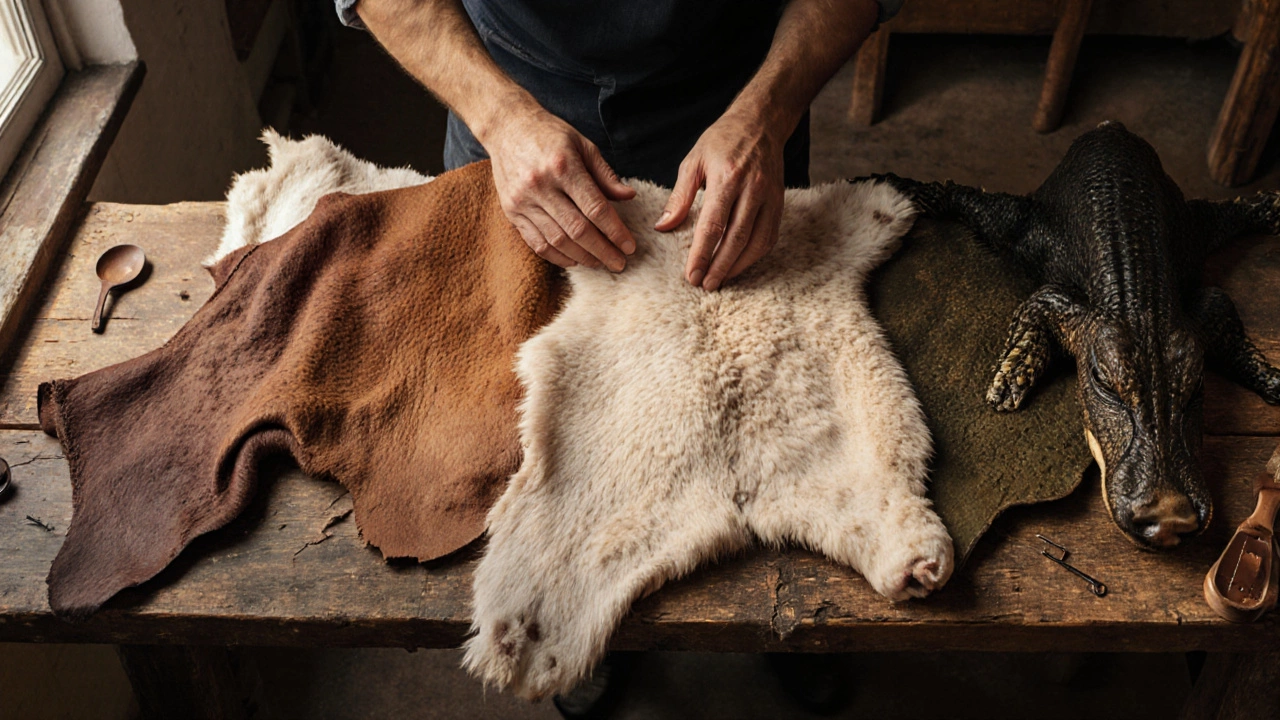
Discover which animal leather ranks best for shoes by comparing durability, breathability, cost, and style-from cow and goat to exotic ostrich and alligator.
When you hear cow leather, a durable, natural material made from the hide of cattle, often used in footwear, bags, and jackets. Also known as full-grain leather, it’s the gold standard for anything meant to last. It’s not just about looks—it’s about how it feels, ages, and holds up over time. Unlike synthetic materials that crack or peel, real cow leather softens with use and develops a unique patina. That’s why you’ll find it in everything from work boots to luxury handbags.
Not all cow leather is the same. The difference between cheap imitation and high-quality genuine leather comes down to how it’s processed. Full-grain leather keeps the natural surface, making it the strongest and most breathable. Top-grain is sanded down for a smoother finish but still holds up well. Then there’s bonded leather—made from scraps and glue—which looks like leather but won’t last a season. If you’re buying something labeled as cow leather, check the texture: real leather has slight imperfections, a natural smell, and feels warm to the touch. Fake leather feels plastic-y, smells chemical, and never gets softer.
Leather care matters just as much as the material itself. A good pair of cow leather shoes can last decades if you clean them regularly, condition them every few months, and store them right. Skip the harsh detergents—use a damp cloth and a leather conditioner. Moisture is the enemy, so never leave wet leather in direct heat. And don’t assume all leather is waterproof. Even the best cow leather needs protection from rain and salt.
Why does this all matter? Because what you wear should fit your life, not break after a few uses. Whether you’re looking at boots, belts, or jackets, cow leather gives you more value over time. It’s not the cheapest option upfront, but it’s the smartest in the long run. You’ll notice the difference in how it moves with your body, how it breathes in summer, and how it stays warm in winter.
And if you’ve ever wondered why some leather items cost more, it’s not just branding. It’s the hide source, the tanning process, and how much handwork went into it. Brands that use real cow leather often source from regulated tanneries that treat the material with care—no shortcuts. That’s the kind of detail you can feel, even if you can’t see it.
Below, you’ll find guides that help you understand how cow leather fits into everything from boots to jackets. Whether you’re trying to pick the right pair of shoes, care for an old bag, or just learn how to tell real leather from the rest, these posts give you straight answers—no fluff, no hype. Just what works.
Discover which animal leather ranks best for shoes by comparing durability, breathability, cost, and style-from cow and goat to exotic ostrich and alligator.