Should Your Toes Touch the End of Your Shoes? The Truth About Fit
Shoe Fit & Toe Gap Calculator
Enter Measurements
Measure in centimeters (cm) or inches.
Fit Analysis
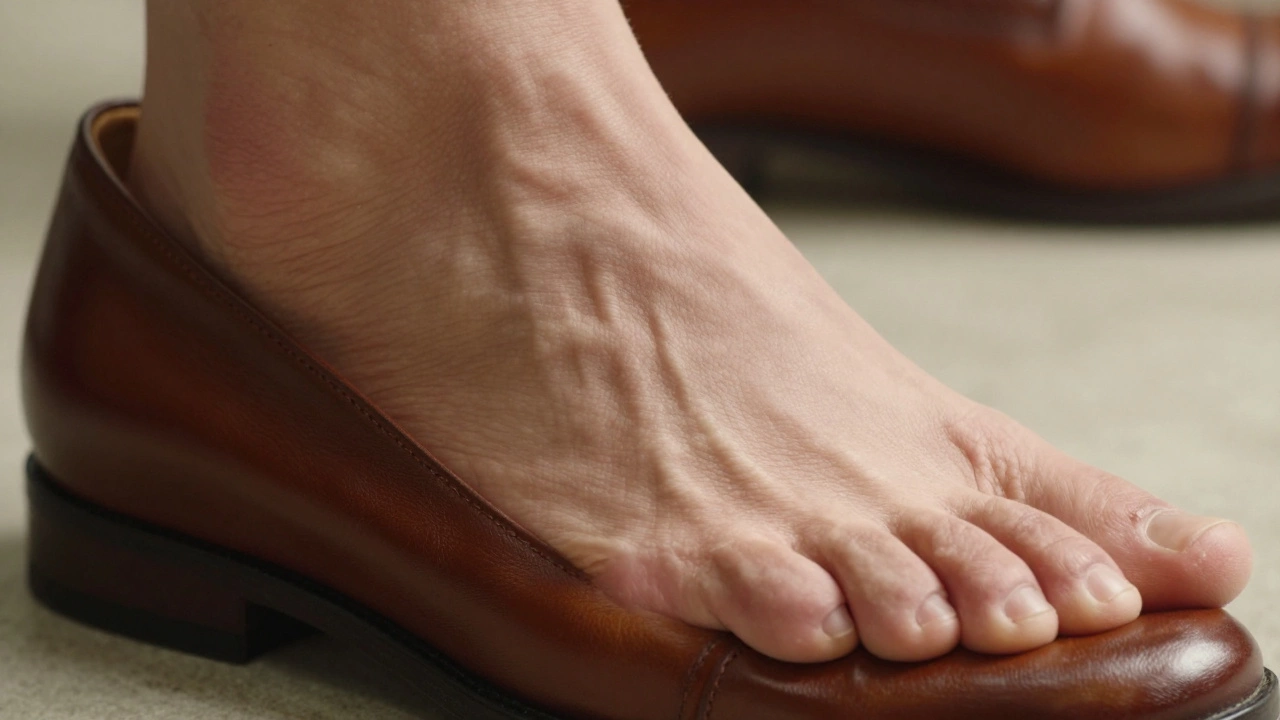
Have you ever walked down the street and felt that sharp, nagging pain at the tip of your big toe? It’s a sensation many of us ignore until it becomes unbearable. We blame it on "breaking in" new shoes or just having bad days. But what if the problem is simpler? What if your toes are actually touching the end of your shoes every time you take a step?
The short answer is no. Your toes should never touch the end of your shoes when walking. In fact, they shouldn’t even be close to it. This isn't just about comfort; it's about the mechanics of how your feet move and how materials like leather behave under pressure. When you walk, your foot doesn't just slide forward; it expands. If there’s no room for that expansion, you’re setting yourself up for blisters, bunions, and long-term structural damage.
The Mechanics of Walking: Why Feet Need Room
To understand why toe space matters, you have to look at what happens inside your shoe with every stride. When you stand still, your foot is relatively compact. But the moment you push off the ground to take a step, two things happen simultaneously. First, your foot lengthens slightly as the arch flattens to absorb impact. Second, your toes splay outwards to maintain balance and provide propulsion.
If your toes are already pressing against the front wall of your shoe while standing, this natural movement has nowhere to go. The result is compression. Your toenails get hammered against the hard interior lining. Over time, this constant micro-trauma can lead to ingrown toenails or blackened nails (subungual hematoma). It also forces your toes into an unnatural, cramped position, which can contribute to conditions like hammertoes or bunions.
Think of your foot like a spring. It needs space to compress and rebound. A shoe that is too tight acts like a vice, preventing that natural motion. You might feel fine sitting at your desk, but once you start moving, the lack of space becomes painfully obvious. This is especially true for people who are on their feet all day, whether for work or exercise.
The Leather Factor: Material Matters
You might argue, "But I bought these leather shoes because they stretch." And yes, full-grain leather does stretch. However, it stretches in width, not significantly in length. Many people make the mistake of buying a size too small, expecting the leather to elongate enough to accommodate their toes. This is a dangerous gamble.
Leather conforms to the shape of your foot over time, creating a custom fit. But it cannot create space where none exists. If your toes are hitting the end of a leather shoe on day one, they will still be hitting the end on day thirty, only now the leather might be rubbing against swollen skin. Additionally, cheap synthetic leathers or bonded leathers often lack the flexibility to mold comfortably, leading to rigid pressure points that cause friction burns and blisters.
High-quality leather shoes require a proper initial fit. They should feel snug around the heel and midfoot to prevent slipping, but there must be ample clearance in the toe box. The "break-in" period is about the material softening and conforming to your foot’s unique contours, not about shrinking your foot to fit the shoe.
How to Measure the Right Fit: The Thumb Rule
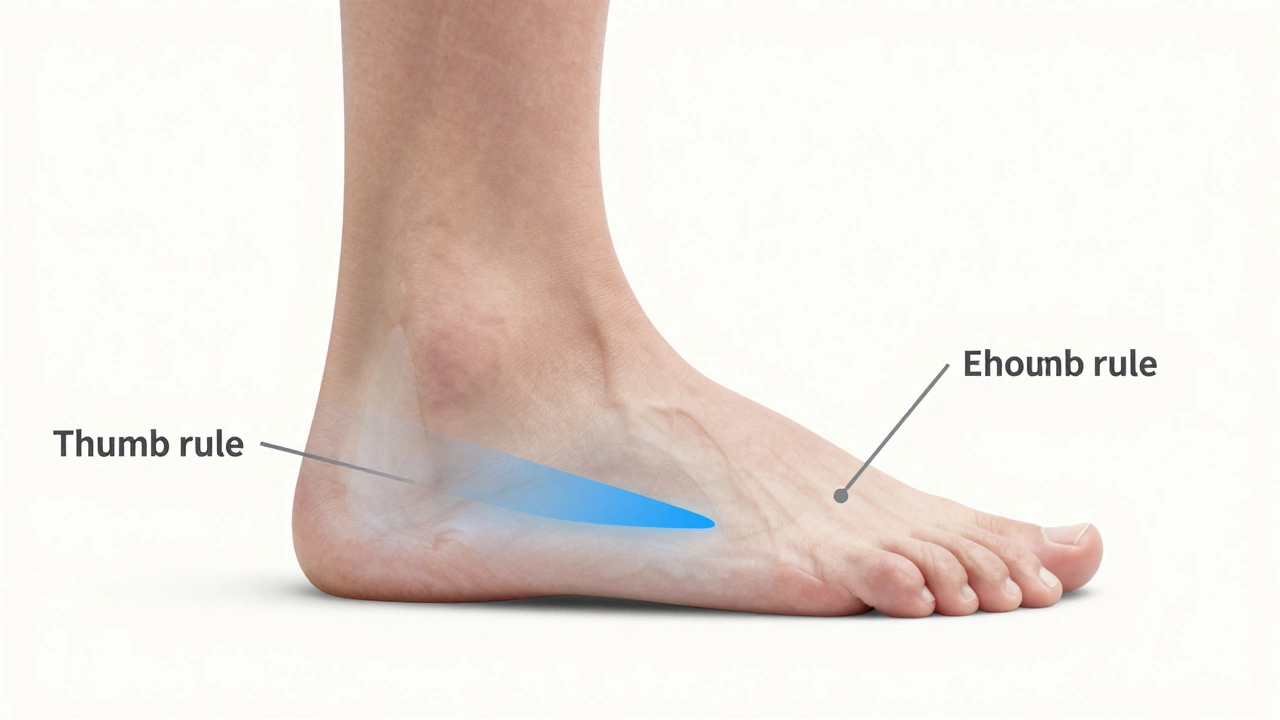
So, how much space do you actually need? The industry standard is simple: you should have about a half-inch (roughly 1.27 centimeters) of space between your longest toe and the end of the shoe. For most people, this is approximately the width of your thumb.
Here is a quick way to check this yourself:
- Stand Up: Never measure your feet while sitting. Standing shifts your weight and spreads your toes, giving you the true length.
- Push Your Toe Forward: Slide your foot forward until your longest toe touches the very end of the shoe.
- Check the Heel: Place your finger behind your heel. If you can fit your index finger comfortably in the gap between your heel and the back of the shoe, you have the right amount of space.
- Walk Around: Take a few steps. If you feel your toes jamming forward, the shoe is too small. If your heel slips out significantly, it might be too large or the wrong shape.
Remember, your longest toe isn't always your big toe. Some people have a "Greek foot," where the second toe is longer than the big toe. Others have a "Roman foot," where the first three toes are roughly the same length. Always measure from your longest toe, not necessarily your big one.
Signs Your Shoes Are Too Small
Sometimes, the fit feels okay in the store, but problems arise later. Here are the red flags that indicate your toes are touching the end of your shoes:
- Numbness or Tingling: This suggests nerves are being compressed due to lack of space.
- Blisters on Toes: Friction from toes rubbing against the front lining causes blisters.
- Calluses on Big Toe: Hardened skin forms where the toe repeatedly hits the shoe wall.
- Pain After Walking: Sharp pain at the tip of the toes after a short walk is a clear sign of poor fit.
- Discolored Nails: Dark spots or bruising under the nail indicate trauma from impact.
If you experience any of these symptoms, don't wait for them to go away. Continuing to wear ill-fitting shoes can lead to permanent changes in foot structure, such as hammer toes or severe bunions, which may require orthopedic intervention.
Choosing the Right Shoe Shape
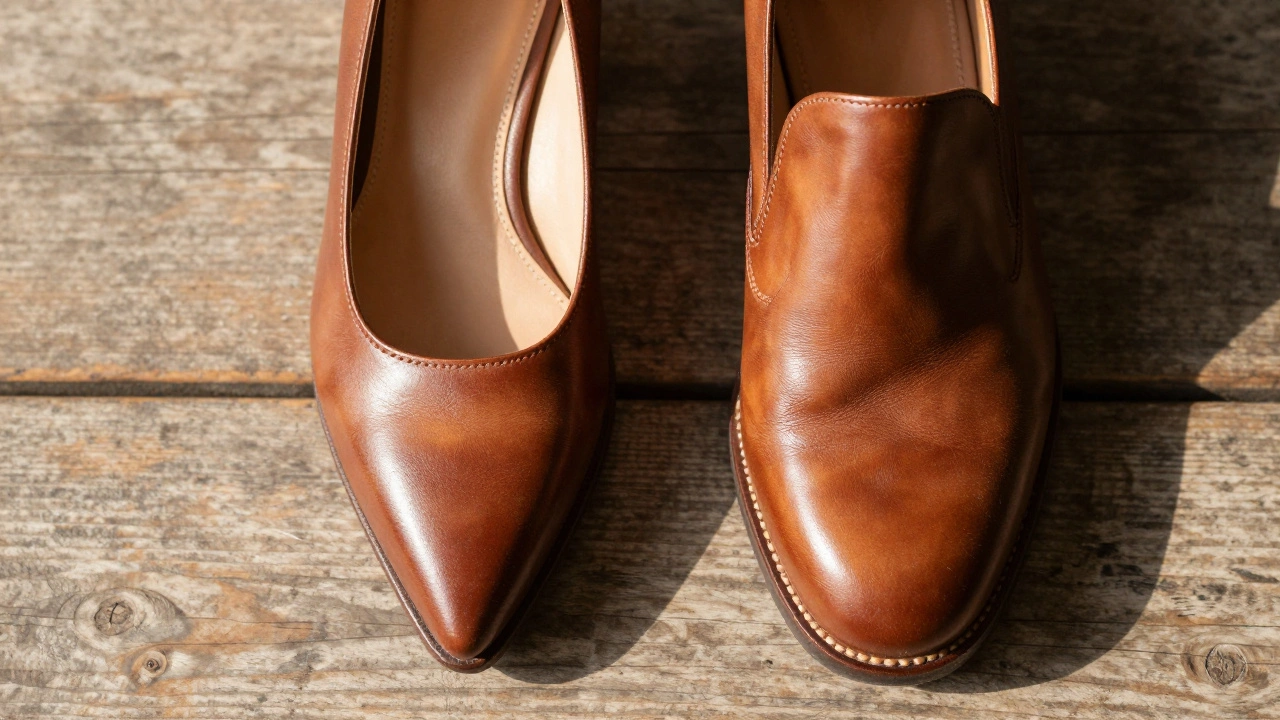
Fit isn't just about length; it's about volume and shape. Different brands use different lasts (the mold around which the shoe is built). A shoe that fits well in one brand might be completely unusable in another. Look for shoes with a rounded or square toe box rather than a pointed one. Pointed shoes force your toes into a narrow, unnatural alignment, increasing pressure on the sides and tips.
For leather shoes specifically, pay attention to the construction. Goodyear welted shoes, for example, offer durability and allow for resoling, but they often have a stiffer structure initially. Ensure the toe box is deep enough to accommodate your toes without crowding. Wide-width options are available for many styles and can provide necessary relief if you have broader feet.
When to Buy New Shoes
Your feet change over time. Age, pregnancy, weight fluctuations, and even the time of day affect foot size. It’s recommended to measure your feet every year or so, especially if you buy shoes online. Also, consider the type of socks you’ll wear. Thick wool socks require more space than thin cotton ones. Always try on shoes with the socks you plan to wear most often.
Finally, shop in the afternoon. Feet swell throughout the day as fluid accumulates in the lower extremities. Buying shoes in the morning might lead to a pair that feels fine then but painfully tight by evening. By shopping later in the day, you ensure the shoes will be comfortable during your peak swelling hours.
Is it normal for toes to touch the end of new shoes?
No, it is not normal. Even new shoes should have about a half-inch of space between your longest toe and the end of the shoe. If your toes touch the end immediately, the shoes are too small and will likely cause pain and injury as you walk.
Do leather shoes stretch in length?
Leather shoes stretch primarily in width, not length. While they may loosen slightly over time, they will not elongate enough to compensate for a shoe that is too short. Relying on length stretching can lead to chronic foot pain.
How do I know if my shoes are too tight?
Signs include numbness, tingling, blisters on the toes, calluses on the big toe, and pain after walking. If you feel pressure on the top of your foot or the sides of your toes, the shoes are likely too tight or the wrong shape.
What is the best time of day to buy shoes?
The best time to buy shoes is in the late afternoon or early evening. Feet naturally swell throughout the day due to gravity and activity. Trying on shoes when your feet are at their largest ensures a comfortable fit all day long.
Why do my feet hurt after wearing new leather shoes?
Pain from new leather shoes often stems from improper fit, particularly lack of toe space or excessive tightness in the midfoot. While some break-in discomfort is normal, sharp pain indicates the shoes are too small or the wrong shape for your foot anatomy.
Can wearing shoes that are too small cause bunions?
Yes, consistently wearing shoes that are too narrow or short can exacerbate bunion formation. The pressure forces the big toe joint outward, leading to the characteristic bump and misalignment associated with bunions.