Is 80 Too Hot for a Sweater? Real-World Comfort Guide for Hoodies and Layering

Sweater Comfort Calculator
This calculator helps you determine if wearing a sweater at your current temperature is comfortable based on your activity level and clothing material. 80°F is common in many environments but may feel uncomfortable for some people due to indoor cooling.
Eighty degrees Fahrenheit feels like summer. Sunscreen on, shorts on, ice cream in hand. So why would anyone wear a sweater? And not just any sweater-a thick, wooly, cozy one? If you’ve ever walked into a store in late May and seen someone in a hoodie while you’re sweating through your T-shirt, you’ve asked this question. The answer isn’t about fashion. It’s about control.
Temperature isn’t the only factor
People don’t wear sweaters because the air says so. They wear them because the air inside does. Air conditioning in offices, malls, and airplanes often runs cold-sometimes as low as 68°F. That’s 12 degrees cooler than 80°F outside. Your body adjusts to the heat, then gets slammed with cold. A lightweight hoodie or cotton sweater becomes a buffer. It’s not about the weather. It’s about the mismatch.
I’ve seen this in Vancouver every spring. One day it’s 78°F and sunny. The next, rain rolls in and the wind cuts through your jacket like paper. People who live here don’t wait for the forecast to change. They keep a light sweater in their bag. It’s not about being cold. It’s about being ready.
What kind of sweater works at 80°F?
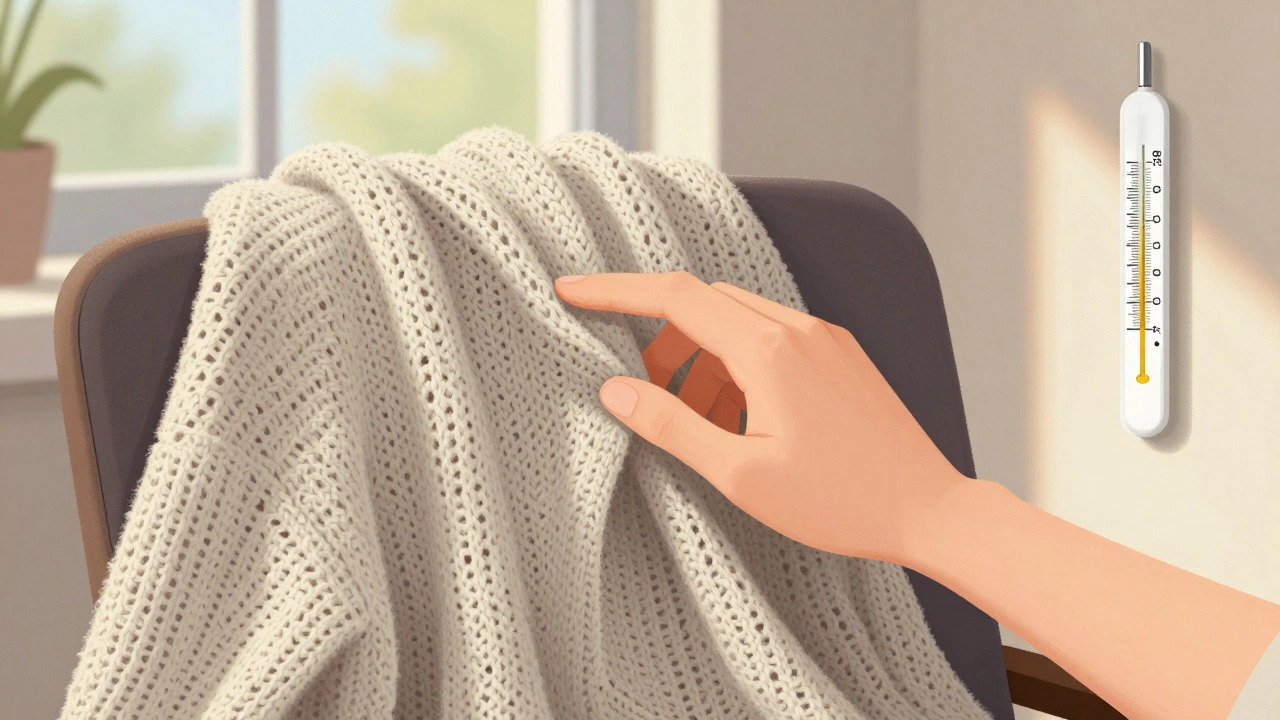
Not all sweaters are created equal. A chunky cable-knit wool sweater? No. That’s a winter item. But a thin cotton crewneck? Yes. A linen-blend hoodie? Absolutely. The material makes all the difference.
Here’s what actually works when it’s 80°F:
- Cotton jersey - breathable, soft, and light. Think of a well-made T-shirt, but with sleeves and a slightly looser fit.
- Lightweight merino wool - yes, wool. But not the kind that itches. Merino fibers are fine enough to wick sweat and regulate temperature without trapping heat.
- Bamboo or TENCEL blends - these fabrics pull moisture away from your skin and dry fast. They’re common in performance hoodies designed for travel or hiking.
- Open-knit or mesh panels - some modern hoodies have breathable zones under the arms or along the back. These aren’t fashion gimmicks. They’re functional.
These aren’t winter sweaters. They’re temperature buffers. They’re the difference between walking into a chilly grocery store and shivering for ten minutes, or walking in and feeling fine.
Why hoodies? Why not just a jacket?
Many people reach for a hoodie instead of a jacket because it’s easier. Jackets zip up. They’re stiff. They take time to put on. Hoodies? Slip them on over your head. No buttons. No zippers. No fuss. And the hood? It’s not just for rain. It’s for blocking AC drafts, shielding your neck from sun, or just giving your head a little privacy in a crowded space.
Think about airports. You’re sitting in a terminal that’s freezing. Your phone’s battery is dying. You’re tired. You don’t want to dig through your bag for a jacket. You just want to pull something over your shoulders and feel normal again. A hoodie does that. It’s not about being trendy. It’s about being practical.
Real people, real situations
Here’s what I’ve heard from people who wear sweaters at 80°F:
- "I work in a hospital. The halls are always 67°F. I wear a cotton hoodie under my scrubs. It’s the only thing that keeps me warm during 12-hour shifts."
- "My car’s AC is broken. I drive 45 minutes to work every day. Even when it’s 82°F outside, I wear a thin hoodie because the sun through the windshield feels like a blowtorch."
- "I’m 68. My body doesn’t regulate heat like it used to. I get cold fast. I wear a light sweater even in July."
- "I have chronic pain. Cold makes my joints ache. A hoodie isn’t fashion-it’s pain management."
These aren’t outliers. They’re people who’ve learned how their bodies work. They don’t care what the thermometer says. They care about how they feel.
Myth: Sweaters are for winter
That’s a cultural idea, not a physical one. In countries like Japan or Sweden, people wear lightweight sweaters year-round. In the U.S., we’ve been trained to think of sweaters as winter gear. But that’s changing. Brands like Uniqlo, Everlane, and Patagonia now sell "all-season" sweaters made from performance fabrics. They’re designed for 60°F to 85°F. And they’re selling out.
The real question isn’t "Is 80 too hot for a sweater?" It’s "Is your current clothing helping you feel comfortable?" If you’re shivering under AC, sweating under a heavy jacket, or constantly adjusting your layers-you’re doing it wrong.

How to pick the right one
If you’re considering a sweater for warmer weather, here’s what to look for:
- Weight - under 12 ounces. Anything heavier will trap heat.
- Fit - loose enough to allow airflow, not tight. A baggy hoodie is better than a fitted one.
- Material - cotton, bamboo, merino, or TENCEL. Avoid acrylic, polyester, or fleece.
- Features - thumbholes, zippered pockets, or moisture-wicking lining add real value.
- Color - light colors reflect heat. White, beige, or pastels stay cooler than black or navy.
Don’t buy a sweater because it looks nice. Buy it because it solves a problem. If you’re constantly cold indoors, or your skin feels raw from AC, or you get headaches from temperature swings-this isn’t about fashion. It’s about comfort.
What to avoid
Steer clear of these common mistakes:
- Wearing a thick, fuzzy sweater in 80°F heat. It will make you sweat more, not less.
- Choosing a hoodie with a heavy fleece lining. That’s for snow, not sunshine.
- Ignoring breathability. If the fabric doesn’t let air move through it, it doesn’t matter how light it is.
- Buying based on brand alone. A $100 hoodie from a "premium" brand isn’t better if it’s made from the wrong material.
Price doesn’t equal performance. I’ve worn $15 cotton hoodies from thrift stores that outperformed $80 ones from designer labels. The difference? Material and weave.
Final thought: Comfort isn’t seasonal
Weather doesn’t dictate how you should feel. Your body does. If you’re cold in 80°F weather, you’re not wrong. You’re just wearing the wrong thing. A light, breathable sweater isn’t a contradiction. It’s a solution.
Next time you see someone in a hoodie on a hot day, don’t assume they’re out of touch. They might be the one who figured out how to stay comfortable while everyone else is fighting the temperature.
Can you wear a sweater in 80-degree weather?
Yes, if it’s made from lightweight, breathable materials like cotton, merino wool, or bamboo. Thick, heavy sweaters will make you overheat, but thin, well-ventilated ones help regulate body temperature-especially in air-conditioned spaces.
Is a hoodie better than a jacket for warm weather?
For many people, yes. Hoodies are easier to put on, don’t have zippers that get stuck, and the hood offers extra protection from AC drafts or sun. Lightweight hoodies made from performance fabrics outperform stiff jackets in variable indoor-outdoor environments.
What’s the best material for a summer sweater?
Cotton is the most common and affordable choice. For better moisture-wicking, look for merino wool or TENCEL blends. These materials keep you cool by pulling sweat away from your skin and drying quickly. Avoid acrylic and polyester-they trap heat and odor.
Why do some people wear sweaters when it’s hot outside?
They’re not dressing for the weather outside-they’re dressing for the temperature inside. Offices, stores, and public transport often run cold. A light sweater helps bridge the gap between hot outdoor temps and chilly indoor air, preventing discomfort, shivering, or headaches.
Do age or health conditions affect whether you should wear a sweater in warm weather?
Yes. Older adults, people with chronic pain, thyroid conditions, or circulation issues often feel colder than others-even in warm weather. For them, a lightweight sweater isn’t a fashion choice-it’s a medical necessity to maintain comfort and prevent pain or fatigue.