Is $300 a Good Price for a Suit? Real Value Explained

Suit Quality Checker
Is This Suit Worth $300?
Check all features that match your suit to see if it meets the minimum quality standards for a $300 price point.
You walk into a store, see a suit tagged at $300, and wonder: is this actually a good deal? Or are you getting stuck with something that’ll look cheap after one wear? The truth is, $300 isn’t too high and it isn’t too low-it’s right in the gray zone where most men get confused. Some suits at this price can last five years. Others fall apart before the first dry cleaning. So what’s the real story?
What You Get for $300
A $300 suit is usually a step above fast fashion but below true tailoring. You’re not buying a custom-made piece from Italy or a heritage brand with 100 years of history. But you’re also not buying a suit from a discount warehouse that uses synthetic fibers and glue instead of stitching. Most suits in this range come from mid-tier brands like J.Crew, Banana Republic, Brooks Brothers’ entry line, or even well-made imports from Turkey, Portugal, or China that major retailers label as their own.
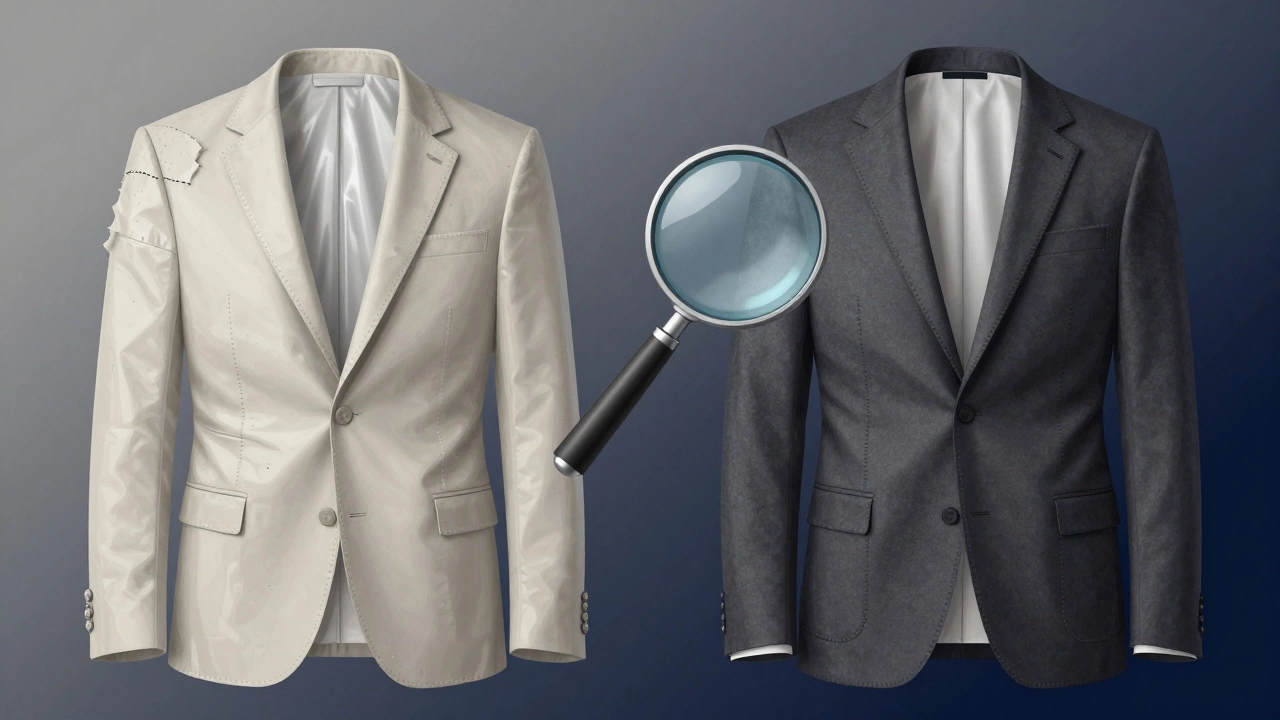
Look at the fabric first. A $300 suit should have at least 70% wool. Anything less than that, and you’re paying for polyester that pills after three wears. Check the label-if it says "worsted wool," that’s a good sign. Worsted wool is spun tightly, resists wrinkles, and holds its shape longer. Avoid suits labeled "polyester blend" without any wool mentioned. If the fabric feels stiff, shiny, or plastic-like, walk away.
Stitching matters more than you think. A real suit has 8-10 stitches per inch. A cheap one has 4-5. Run your fingers along the lapel seam. If it feels loose or uneven, the suit was rushed. The buttons should be sewn on with thread, not glued. Try pulling one gently-if it moves easily, it’s not built to last. The lining should be smooth and attached with stitches, not sprayed with adhesive. Glued linings crack and peel after a year.
Where $300 Fits in the Market
Let’s put this in perspective. A $1,000+ suit from a brand like Hugo Boss or Zegna uses finer wool, hand-stitched lapels, and full canvas construction-that’s the structure inside the suit that gives it shape. That’s the kind of suit you wear for weddings, job interviews, or your 10-year anniversary dinner.
A $150 suit? That’s usually polyester, flat construction, and a lining that looks like a plastic bag. You’ll wear it once, feel self-conscious, and never want to put it on again.
$300 sits in the middle. It’s the sweet spot for people who need a suit for occasional use: job interviews, family events, holiday parties, or business trips. It’s not meant to be your only suit, but it’s a solid starter piece. If you’re just starting to build a wardrobe, this is the right place to begin.
What to Look for When Shopping
Here’s what to check before you hand over your card:
- Fabric content - Must say "wool" as the first ingredient. 80-100% wool is ideal.
- Construction - Look for a floating canvas (not fused) in the chest area. You can test this by pinching the lapel-if you feel a layer of fabric underneath, it’s canvas. If it feels stiff and one-layered, it’s fused and won’t drape well.
- Fit - Shoulder seams should sit exactly at the edge of your shoulders. No pulling, no sagging. Sleeves should end at your wrist bone. The jacket should button without straining.
- Color and pattern - Stick to navy, charcoal, or medium gray. These colors work for almost any occasion. Avoid bold patterns unless you’re in a creative field.
- Brand reputation - J.Crew, Banana Republic, Macy’s private label, and even some department store exclusives like Nordstrom’s Trueman & Son line offer solid value at this price.
Don’t be fooled by sales. A suit that was marked down from $600 to $300 might still be a bad suit. Focus on quality, not the discount.
When 0 Isn’t Enough
If you’re in a profession where appearance is critical-law, finance, corporate management-you’ll want to spend more. A $300 suit can look fine in a Zoom meeting, but in a face-to-face boardroom, the difference shows. The way fabric moves, how light hits the lapel, the way the jacket contours to your body-those details matter.
Also, if you plan to wear the suit more than 10 times a year, you’ll feel the wear faster. A $300 suit might last three years with light use. But if you’re wearing it weekly, it’ll show thinning fabric and stretched seams within 18 months.
And if you’re over 6 feet tall or have a larger build, off-the-rack suits at this price often don’t fit well. Tailoring can help, but adding $75-$150 in alterations might push you past your budget. In that case, consider spending $400-$450 for a better cut from the start.
When $300 Is Perfect
This price is ideal if:
- You’re a student or recent grad needing your first professional suit
- You’re building a capsule wardrobe and don’t need multiple suits
- You’re not in a high-visibility role where every detail is scrutinized
- You plan to wear it 3-8 times a year
- You’re okay with occasional dry cleaning and basic care
Many men in Vancouver, Toronto, and Montreal buy their first suit at this price point. It’s enough to look polished without breaking the bank. You can pair it with a simple white shirt, a silk tie, and decent shoes, and you’ll look confident in any setting.
Alternatives to Consider
If you’re on the fence about $300, here are two other options:
Buy used - Check thrift stores, consignment shops, or online marketplaces like Poshmark or The RealReal. You can find gently used suits from brands like Hugo Boss or Tommy Hilfiger for $150-$200. Inspect them for stains, worn elbows, or loose buttons. A good dry cleaning can revive them.
Wait for sales - Most major retailers have suit sales in January and July. If you can wait, you might get a $500 suit for $300. But don’t buy something just because it’s on sale. Only buy if it meets the quality checks above.
How to Make It Last
Even the best $300 suit won’t last if you treat it like everyday wear. Here’s how to extend its life:
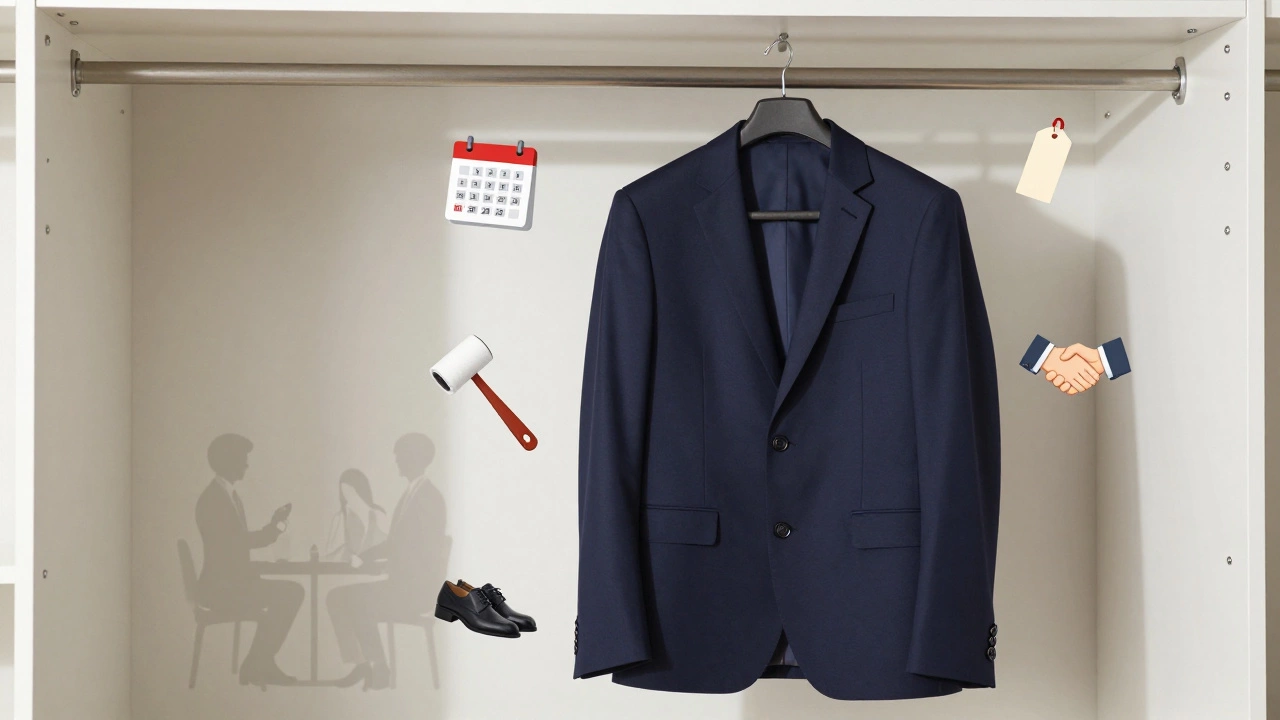
- Hang it on a wide, padded hanger. Never fold it.
- Air it out after wearing. Don’t put it in the closet right after a long day.
- Only dry clean it twice a year. Steam it instead for light wrinkles.
- Rotate your suits. If you own just one, give it a week between wears.
- Use a lint roller after every wear. Dust and lint eat away at wool fibers.
With care, a $300 suit can easily last five years. That’s less than $60 per year. For something you wear to important moments in your life, that’s a fair investment.
Final Verdict
Is $300 a good price for a suit? Yes-if you know what you’re looking for. It’s not the top of the line, but it’s far from the bottom. You can get a suit that looks sharp, fits well, and lasts years if you avoid the traps of cheap materials and poor construction.
Don’t buy the cheapest one. Don’t buy the most expensive one. Buy the one that fits your life, your budget, and your needs. A $300 suit isn’t just a piece of clothing-it’s your first step into looking like the person you want to be.
Can I wear a $300 suit to a job interview?
Yes, absolutely-if it fits well and looks clean. Many hiring managers care more about confidence and professionalism than the brand on the tag. A navy wool suit from J.Crew or Banana Republic, paired with a crisp shirt and polished shoes, will make a strong impression. Just make sure the suit isn’t wrinkled, stained, or too tight.
Should I get a two-piece or three-piece suit at this price?
Go with a two-piece. A three-piece suit adds a vest, which looks more formal but also adds cost and complexity. At $300, you’re better off spending your budget on better fabric and fit than on an extra piece. You can always add a vest later if you need more formality.
Is it worth tailoring a $300 suit?
Yes, if the fit is off by more than an inch. Tailoring the sleeves or hem can cost $30-$60. Tailoring the waist or shoulders can cost $75-$120. If the shoulders don’t fit, don’t bother-no tailor can fix that. But if the jacket is too long or the pants are too wide, tailoring makes it look like a custom suit. It’s one of the best investments you can make at this price point.
What colors work best for a $300 suit?
Navy is the most versatile. It works for weddings, interviews, and even casual dinners. Charcoal gray is next-slightly more formal. Avoid black unless you’re attending a funeral or a very formal event. Light gray and patterns like pinstripes are fine if you’re in a creative industry, but stick to solid colors if you’re unsure.
Can I find a good $300 suit online?
Yes, but be careful. Brands like Indochino, Bonobos, and even Amazon’s Goodthreads offer solid options. Always check return policies and fabric details. Look for customer photos-not just studio shots. If people are posting pictures of the suit looking baggy or shiny, walk away. Read reviews that mention fit and fabric, not just "looks nice."