Best Summer Dresses for Hot Weather: Style and Comfort Guide
Summer Dress Comfort Checker
Not sure if that dress will keep you cool? Select your outfit details below to get an instant comfort assessment tailored for humid, variable climates.
Your Assessment
It is August in Vancouver, and the humidity can make even a simple cotton t-shirt feel like a wet towel. You want to look put-together, but you definitely do not want to feel like you are walking through a sauna. The secret to surviving the heat while staying stylish lies in choosing the right summer dresses. It is not just about picking something short; it is about understanding how materials interact with your body temperature.
When the mercury rises, your fabric choice matters more than the cut of the garment. A heavy polyester maxi dress might look elegant in a catalog, but in real life, it traps heat against your skin. On the other hand, a well-constructed linen piece allows air to circulate, keeping you cool even during a long day out. This guide breaks down the best styles and materials for this specific climate, helping you build a wardrobe that works as hard as you do.
Why Fabric Choice Beats Fashion Trends
Before you worry about whether a floral print is "in" or if a particular neckline is trending, look at the label. The material determines how much sweat evaporates and how much heat stays trapped. In a coastal city like Vancouver, where rain showers can turn into humid muggles quickly, breathability is king.
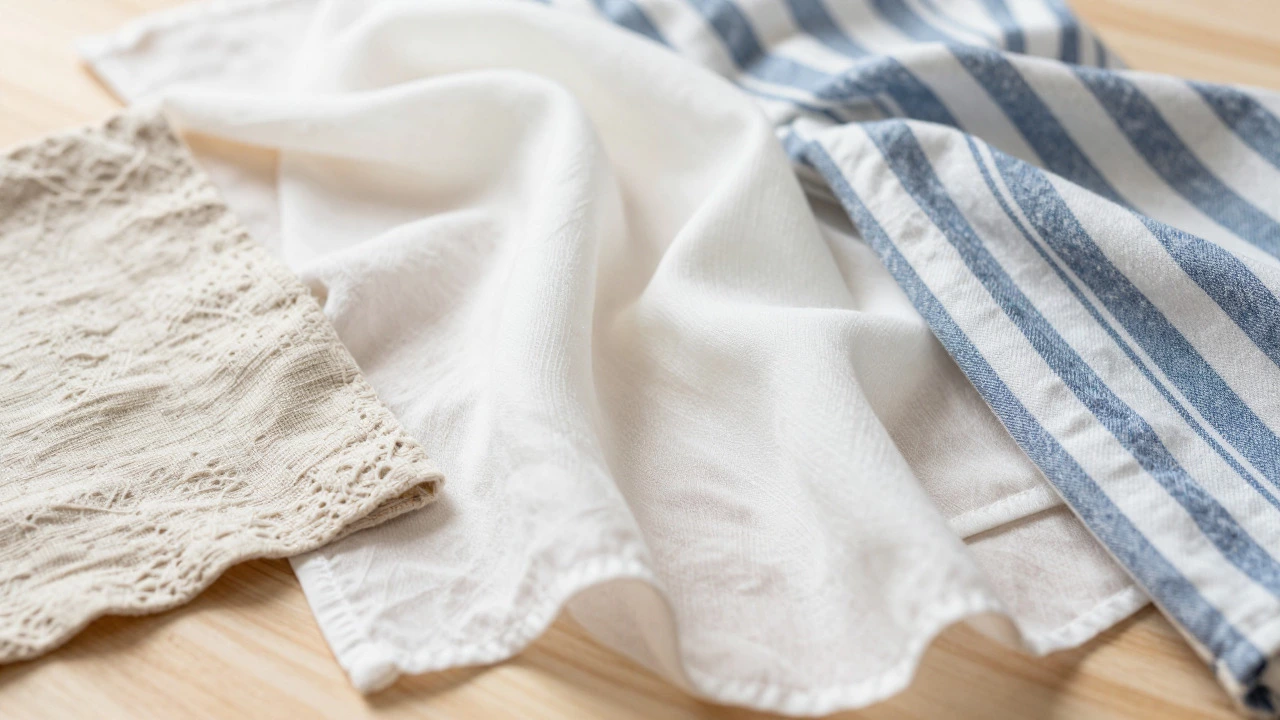
- Linen: Made from flax fibers, linen has a natural texture that creates tiny air pockets. It absorbs moisture without feeling damp and dries incredibly fast. It wrinkles, yes, but that crumpled look is part of its charm.
- Cotton: Specifically, lightweight weaves like poplin or voile. Avoid thick denim or twill. Cotton is affordable and easy to care for, making it a staple for daily wear.
- Viscose (also known as rayon): This synthetic fiber mimics the drape of silk but costs less. It flows beautifully and feels cool against the skin, though it can hold onto moisture longer than linen.
- Seersucker: This striped cotton fabric has a puckered texture that keeps the fabric slightly off the skin. That gap allows air to flow freely, making it one of the coolest options for high-humidity days.
Avoid synthetics like polyester and nylon unless they are specifically labeled as "moisture-wicking" performance fabrics. For everyday leisure, natural fibers almost always win on comfort.
The Best Silhouettes for Heat Management
Cut and fit play a huge role in how cool you feel. Tight-fitting clothes restrict airflow and trap heat. Loose silhouettes allow air to move around your body, acting like a personal fan. Here are the top styles to consider for this season:
- The Slip Dress: Usually made from satin or viscose, slip dresses are minimalist and light. They work well over a tank top for layering or alone if you are comfortable with the exposure. Look for bias-cut versions that drape rather than cling.
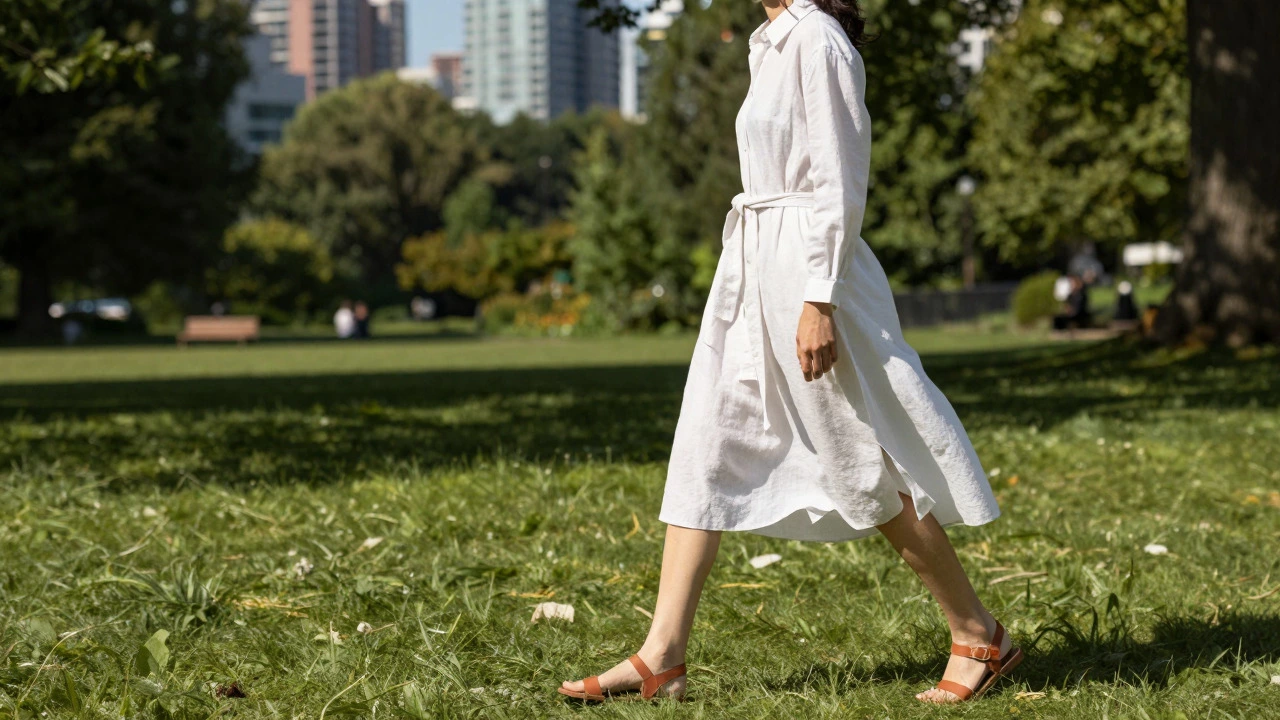
- The Shirt Dress: Think crisp white button-downs that end at the knee or mid-calf. They are structured enough to look professional but loose enough to breathe. Tuck them into sandals or leave them untucked for a relaxed vibe.
- The Wrap Dress: Adjustable fits mean you can loosen the waist when the afternoon gets intense. The V-neckline also helps release heat from the upper chest area.
- The Tea-Length Sundress: Hitting below the knee, these dresses offer coverage without the drag of a full-length gown. They are perfect for errands, brunch, or casual office settings if paired with a blazer when needed.
In Vancouver, the tea-length is particularly practical. It protects your legs from unexpected rain splashes while still looking airy and light.
Color Psychology and Sun Protection
You might think dark colors absorb heat, which is true in direct sunlight. However, in a cloudy or overcast environment, the difference is negligible. More importantly, darker shades provide better UV protection for your skin. Lighter colors reflect sunlight, keeping you cooler under direct sun exposure.
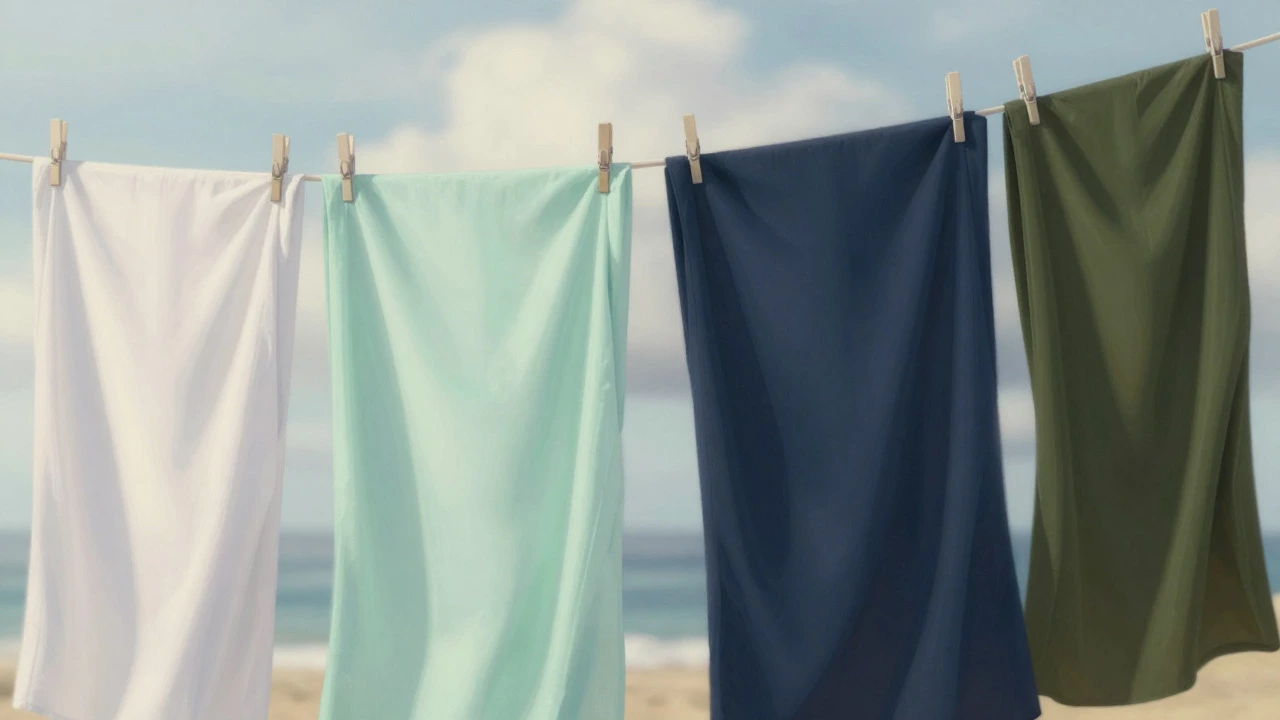
| Color Type | Heat Absorption | UV Protection | Best For |
|---|---|---|---|
| White/Cream | Low | Moderate | Direct sun, beach days |
| Pastels (Mint, Lilac) | Low-Medium | Moderate | Daytime social events |
| Navy/Black | High | High | Overcast days, evening wear |
| Earth Tones (Olive, Rust) | Medium | High | All-day versatility |
If you are spending most of your day outdoors in the park or by the water, stick to whites and pastels. If you are mostly indoors or heading out for dinner after sunset, deeper tones like navy or olive green add sophistication without sacrificing too much comfort.
Styling Tips for the Vancouver Climate
Vancouver summers are unique because they are rarely scorching hot all day long. Mornings can be cool, afternoons warm, and evenings chilly. Your outfit needs to adapt to these shifts.
Layering is your best friend here. Start with a lightweight summer dress as your base. Keep a thin cardigan or an unstructured linen jacket nearby. When you step outside in the morning, throw it on. By noon, you can tie it around your waist or leave it in your bag. This approach ensures you never have to choose between being warm and being cool.
Footwear also plays a role in overall comfort. Open-toed sandals or espadrilles keep your feet ventilated. Avoid closed shoes with synthetic linings if you tend to sweat. Leather or canvas options breathe better. If you prefer boots, look for ankle-height styles with perforated details to maintain airflow.
Care and Maintenance for Longevity
Natural fibers like linen and cotton require a bit more attention than synthetics, but the payoff is worth it. Linen should be washed on a gentle cycle with cold water to prevent shrinking. Hang dry it immediately to reduce wrinkling. Ironing isn't necessary if you embrace the textured look, but a quick steam pass can smooth out major creases before important meetings.
Cotton garments can handle regular washing, but avoid high heat drying if possible. Air drying preserves the shape of the fabric and extends the life of the garment. For viscose, check the care label carefully, as some blends may require hand washing to prevent distortion.
Proper storage matters too. Hang delicate dresses on padded hangers to maintain their shape. Fold heavier cotton pieces neatly in drawers. Keeping your closet organized makes it easier to grab the right outfit quickly when the weather changes unexpectedly.
Frequently Asked Questions
Is linen really better than cotton for summer?
Linen is generally superior for high-humidity conditions because it dries faster and allows more airflow due to its coarser weave. Cotton is softer and cheaper, but it retains moisture longer, which can feel sticky in humid weather like Vancouver's.
What length is best for staying cool?
Mid-thigh to knee-length dresses offer the best balance of ventilation and modesty. Maxi dresses can be cool if made from very light fabrics, but they can drag on the ground and pick up dirt. Tea-length (below the knee) is a versatile middle ground.
Can I wear black in the summer?
Yes, especially in Vancouver where direct sun is often filtered by clouds. Black provides excellent UV protection. Just ensure the fabric is lightweight and breathable, such as chiffon or fine linen, to prevent overheating.
How do I deal with wrinkles in linen dresses?
Embrace the wrinkles as part of the aesthetic. If you need a smoother look, hang the dress in a bathroom while taking a hot shower. The steam will relax the fibers. Alternatively, use a handheld steamer for targeted smoothing without the hassle of ironing.
What accessories complement a summer dress?
Keep accessories minimal and lightweight. Straw hats, sunglasses, and small crossbody bags are practical choices. Avoid heavy jewelry that can dig into your skin when you are sweating. Natural materials like wood, shell, or thin gold chains work well with summer fabrics.