Best Shoe Brands for Bad Feet: Comfort, Support, and Pain Relief Guide
Foot Condition Shoe Finder
What is your primary foot concern?
Select the condition that best describes your foot issue:
Plantar Fasciitis
Sharp heel pain, usually worst in the morning
Flat Feet (Overpronation)
Arches collapse inward when walking
Bunions & Hammertoes
Structural deformities at toe joints
High Arches (Supination)
Poor shock absorption, rigid foot structure
Diabetic Neuropathy
Reduced sensation, risk of ulcers
There is nothing quite as frustrating as putting on a pair of shoes that look great but feel like walking on gravel. If you have "bad feet"-whether that means chronic pain, flat arches, bunions, or just general fatigue from standing all day-you know the struggle. The wrong footwear doesn't just hurt your feet; it can throw off your knees, hips, and back. But finding relief doesn't mean sacrificing style or breaking the bank.
The market is flooded with claims about "orthopedic" or "medical grade" shoes, but many are overpriced marketing gimmicks. The truth is, the best shoe for your specific foot issue depends on understanding what your feet actually need: stability, cushioning, width, or motion control. This guide cuts through the noise to help you identify the right brands and features for your unique situation.
Understanding Your Foot Type and Pain Points
Before you spend money, you need to diagnose the root cause of your discomfort. "Bad feet" is a broad term that covers several distinct mechanical issues. Identifying which one applies to you will narrow down your search significantly.
- Plantar Fasciitis: Sharp heel pain, usually worst in the morning. You need stiff midsoles and deep heel cups to stabilize the foot.
- Flat Feet (Overpronation): Your arches collapse inward when you walk. You need motion-control shoes with firm medial posts to prevent rolling.
- Bunions and Hammertoes: Structural deformities at the toe joints. You need extra-wide toe boxes and soft, non-abrasive uppers.
- High Arches (Supination): Poor shock absorption because your foot is rigid. You need maximum cushioning and flexibility.
- Diabetic Neuropathy: Reduced sensation and risk of ulcers. You need seamless interiors, rocker soles, and pressure redistribution.
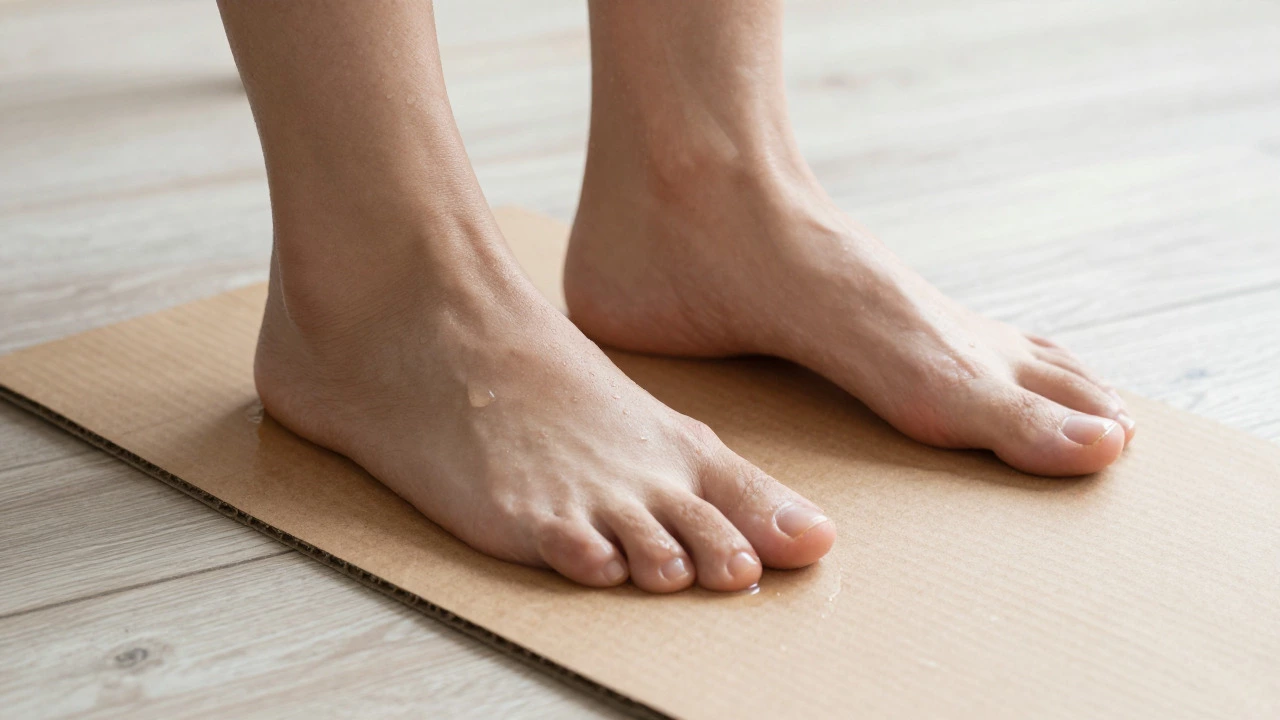
If you aren't sure, perform the "wet test." Wet your feet and step on a piece of cardboard. If you see your full sole, you likely have flat feet. If you see only the heel and ball with a thin connection, you have high arches. A normal arch shows a clear curve on the inside.
Top Brands for Specific Foot Conditions
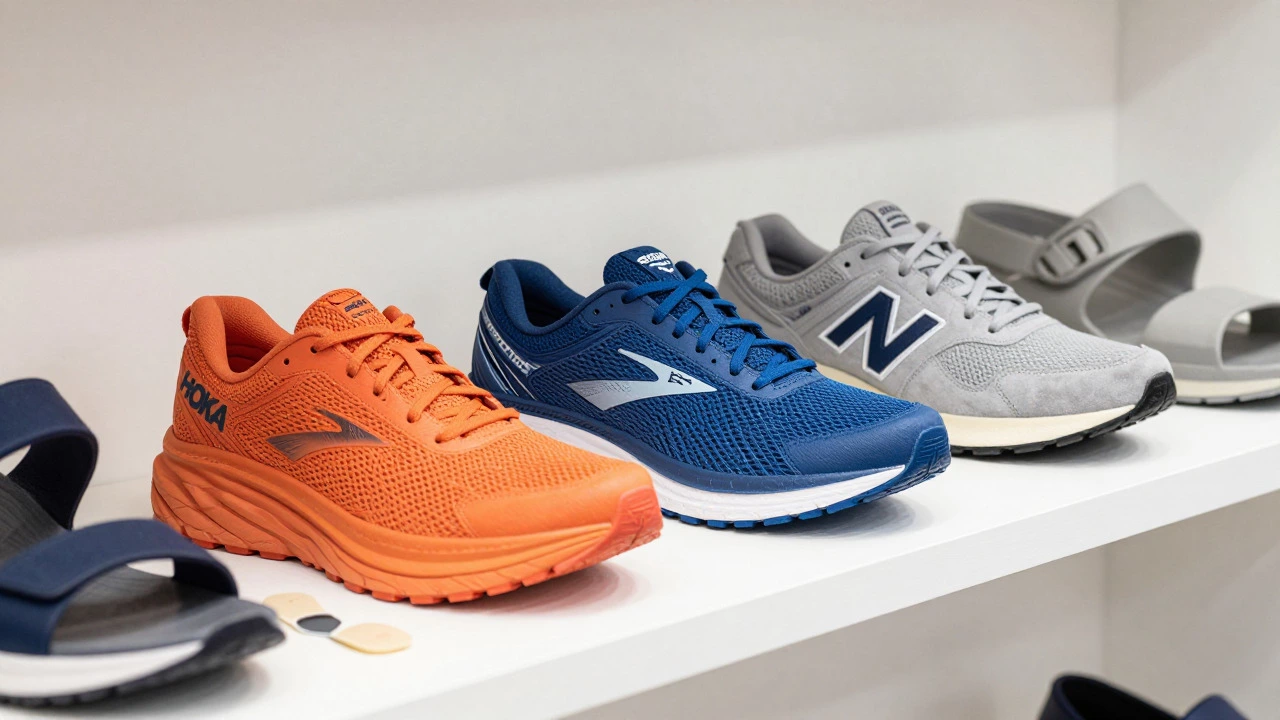
Not all comfort brands are created equal. Some excel at cushioning, while others dominate in structural support. Here is a breakdown of the most reputable brands based on clinical feedback and user reviews.
| Brand | Best For | Key Feature | Price Range |
|---|---|---|---|
| Hoka One One | Plantar Fasciitis & Joint Pain | Maximum cushioning, meta-rocker geometry | $130 - $160 |
| Brooks | Overpronation & Flat Feet | GUIDERails holistic support system | $120 - $150 |
| New Balance | Bunions & Wide Feet | Available in multiple widths (2E, 4E, 6E) | $90 - $140 |
| Vionic | Arch Support & Daily Wear | Podiatrist-designed contoured footbeds | $80 - $120 |
| Recovery & Inflammation | OOfoam technology absorbs 37% more impact than EVA | $70 - $90 |
Hoka One One: The Cushion King
If your primary complaint is joint pain, heel strikes, or plantar fasciitis, Hoka One One is often the first recommendation from physical therapists. Their signature thick midsoles provide immense shock absorption. The "meta-rocker" design-a curved sole that rocks you forward-reduces the strain on your Achilles tendon and calf muscles during the gait cycle.
The Hoka Bondi 8 is their max-cushion model, ideal for standing all day. However, be cautious if you have severe overpronation; too much softness can sometimes lack the necessary stability. In those cases, the Hoka Arahi offers a better balance of cushion and support.
Brooks: Stability Without Bulk
Brooks has built its reputation on running shoes, but their stability lines are excellent for everyday wear if you have flat feet. Unlike older stability shoes that used hard plastic wedges inside the shoe (which could feel uncomfortable), Brooks uses GUIDERails. Think of these like rails on a train track-they keep your knee aligned without restricting natural movement unless your foot starts to roll too far inward.
The Brooks Adrenaline GTS 23 is a standout choice. It provides firm arch support and a secure heel lock, which is crucial for preventing blisters and instability. If you find traditional orthopedic shoes too heavy, Brooks offers a lighter alternative that still delivers medical-grade support.
New Balance: The Width Solution
For people with bunions, hammertoes, or generally wide feet, standard sizing is torture. New Balance remains the industry leader in offering true wide sizes. They don't just stretch the last; they offer specific models in 2E (wide), 4E (extra wide), and even 6E (extra-extra wide).
The New Balance 928v3 is a classic workhorse. It features a dual-density midsole for stability and a removable foam insert that accommodates custom orthotics. The upper materials are often engineered mesh or suede, which molds to the foot without creating pressure points on bunion prominences. If you need a dressier option, their 608v5 line offers a casual-sneaker look with nursing-shoe-level comfort.
Vionic: Style Meets Podiatry
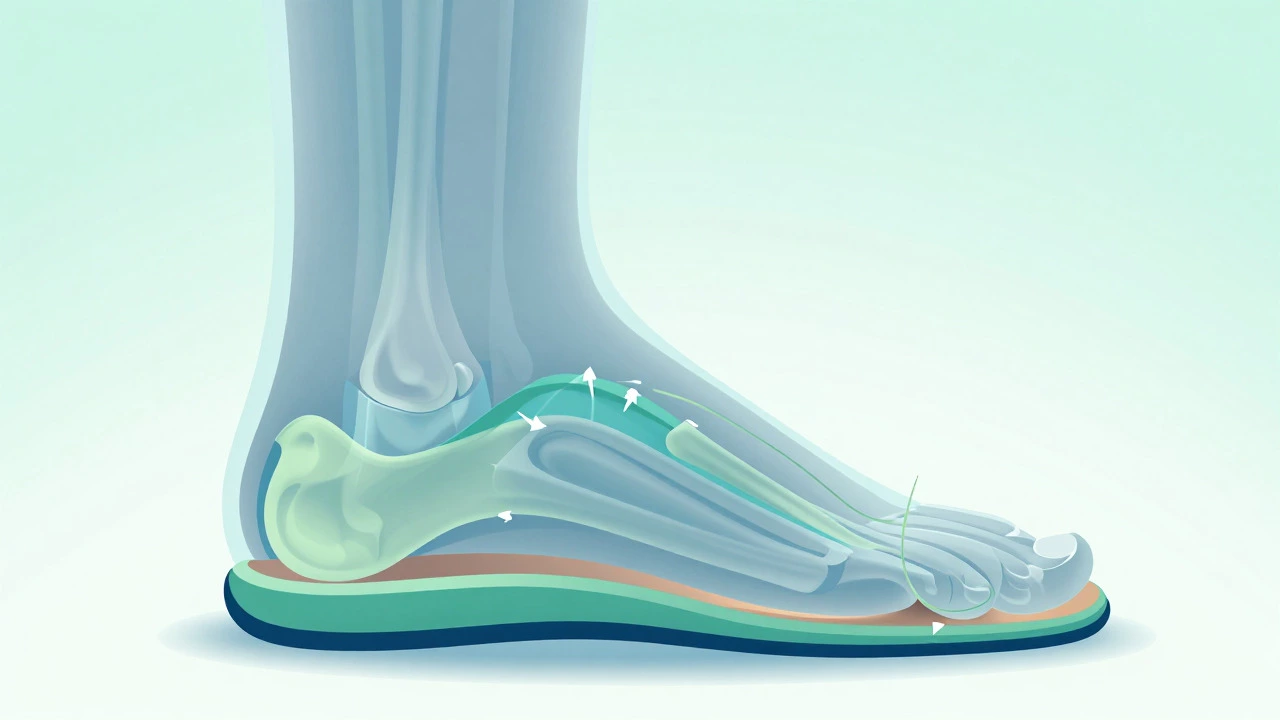
You shouldn't have to wear clunky white sneakers everywhere. Vionic bridges the gap between fashion and function. Founded by podiatrists, every Vionic shoe includes a biomechanical footbed with a deep heel cup and arch support. This helps align the foot from the ground up.
They make everything from sandals and loafers to boots and sneakers. The downside? Their sizing can run small, and the break-in period for the arch support can be intense for those unused to structured support. Start with wearing them for short periods indoors before taking them on long walks.
Leather Shoes: Breathability and Durability
The prompt specifically mentions leather shoes, and for good reason. Synthetic materials often trap heat and moisture, leading to fungal infections or maceration of the skin, which exacerbates pain. High-quality leather, however, breathes. It allows sweat to evaporate, keeping your feet dry and reducing swelling.
When choosing leather shoes for bad feet, look for full-grain leather uppers. This is the top layer of the hide, making it durable yet pliable. Avoid bonded leather, which cracks easily and offers little flexibility. Brands like Ecco and TOMS (specifically their orthotic lines) use soft leathers that require minimal break-in time.
Pay attention to the construction. Goodyear welted shoes are durable and can be resoled, but they are often stiff initially. Cemented construction is lighter and softer out of the box, which might be better for immediate comfort. Always check the insole material; a leather-lined interior reduces friction compared to synthetic linings.
Essential Features to Look For
Regardless of the brand, certain technical features indicate a shoe is designed for foot health. Use this checklist when shopping online or in-store.
- Removable Insoles: This is non-negotiable if you use custom orthotics prescribed by a podiatrist. If the insole is glued down permanently, you'll have to cut it out, which ruins the shoe's structure.
- Rigid Heel Counter: Squeeze the back of the shoe (the heel area). It should not collapse easily. A firm heel counter stabilizes the rearfoot, preventing excessive pronation and reducing Achilles strain.
- Adequate Toe Box Height: Your toes should be able to wiggle freely. A cramped toe box forces toes into abnormal positions, worsening hammertoes and bunions.
- Proper Drop: The "drop" is the height difference between the heel and the forefoot. A 4-8mm drop is generally recommended for neutral alignment. Zero-drop shoes can be beneficial for some but may aggravate plantar fasciitis or Achilles tendinitis in others.
- Cushioning vs. Support: Understand the difference. Cushioning absorbs shock (soft foam); support maintains alignment (firm structures). You often need both, but the ratio depends on your condition.
Common Mistakes to Avoid
Even with the best brands, buying decisions can go wrong. Here are pitfalls that lead to continued pain.
Buying Too Small for Swelling: Feet swell throughout the day due to gravity and activity. Always shop for shoes in the late afternoon or evening. If a shoe feels perfect in the morning, it might be painful by 5 PM.
Ignoring the Break-In Period: No shoe, no matter how comfortable, should hurt immediately. However, "comfortable" doesn't mean "zero sensation." Leather shoes will mold to your foot over 2-4 weeks. If there is sharp pain or blistering after two weeks of gradual wear, the fit is wrong.
Mixing Left and Right Inserts: If you buy aftermarket arch supports, ensure they are labeled correctly. Using a left insert in a right shoe can twist your foot internally, causing knee and hip pain.
Waiting Until Pain Starts: Prevention is cheaper than treatment. Replace shoes every 300-500 miles for runners, or every 6-12 months for daily walkers, depending on usage. Once the midsole foam compresses and loses its resilience, it stops protecting your joints.
When to See a Professional
Shoes are a tool, not a cure-all. If you experience numbness, tingling, persistent swelling, or pain that radiates up your leg, you need to see a podiatrist or orthopedist. These symptoms could indicate nerve compression (like tarsal tunnel syndrome), stress fractures, or systemic issues like arthritis or diabetes.
A professional can also provide custom orthotics. While over-the-counter inserts from brands like Superfeet or Powerstep work for many, custom devices are molded to your exact foot shape and gait pattern. They are an investment, but for severe deformities, they are often the only solution that provides lasting relief.
Final Thoughts on Finding Your Fit
Finding the right shoes for bad feet is a process of elimination and experimentation. What works for your colleague might aggravate your condition. Start by identifying your primary mechanical issue (flat feet, bunions, etc.), then select a brand known for addressing that specific problem. Prioritize fit over fashion, and never ignore the signals your body sends you. With the right support, you can reduce pain, improve mobility, and get back to living an active life without looking like you're wearing medical equipment.
What is the best shoe brand for plantar fasciitis?
Hoka One One and Brooks are widely considered the best brands for plantar fasciitis. Hoka's Bondi series offers maximum cushioning to absorb heel strike impact, while Brooks' Adrenaline GTS provides stability to prevent the foot from rolling inward, which strains the plantar fascia. Both brands feature deep heel cups that stabilize the foot.
Are expensive orthopedic shoes worth the cost?
Often, yes. Quality orthopedic shoes use advanced materials and ergonomic designs that distribute weight evenly and reduce stress on joints. Cheap alternatives may lack proper arch support or durable cushioning, leading to faster wear and potential injury. However, mid-range brands like New Balance and Vionic offer excellent value without the premium price tag of specialized medical footwear.
How do I choose the right width for my shoes?
Standard width is usually labeled B (women) or D (men). If your toes spill over the sides or you feel pinching on the sides of your foot, you need a wider size. New Balance offers 2E (wide) and 4E (extra wide). Measure your foot at its widest point and compare it to the brand's specific width chart, as sizing varies between manufacturers.
Can I wear custom orthotics with any shoe?
No. Custom orthotics are thicker than standard insoles. You need shoes with a removable factory insole and enough volume (space) inside to accommodate the device without crowding your toes. Running shoes and dedicated orthopedic styles usually have this space. Dress shoes and flats often do not.
What should I look for in leather shoes for swollen feet?
Look for soft, full-grain leather that stretches slightly with wear. Avoid stiff, unlined leather. Ensure the shoe has a wide toe box and adjustable straps or laces to accommodate fluctuating swelling throughout the day. Brands like Ecco and Clarks often produce leather styles with flexible soles and roomy fits suitable for edema or general swelling.