Are Sweatpants Sportswear? The Truth About Athleisure and Activewear
The Wardrobe Classifier: Activewear vs. Athleisure
Not sure if your outfit is for the gym or the grocery store? Select the features of your clothing to find out where it fits.
Moisture-Wicking / Spandex
Heavy Cotton / Fleece
Sweat Mgmt / Compression
Style / Lounging
The short answer is yes, but with a massive asterisk. While they started as gear for athletes, they have evolved into something much broader. To understand why, we have to look at the difference between technical gear and comfort gear.
Quick Takeaways
- Sweatpants are technically sportswear because of their origin and design.
- The rise of athleisure has moved them from the gym to the street.
- There is a big difference between 'performance' sweatpants (moisture-wicking) and 'lifestyle' sweatpants (heavy cotton).
- Context matters: they are sportswear at the gym, but lounge wear at home.
The Origin Story: From Tracksuits to Trends
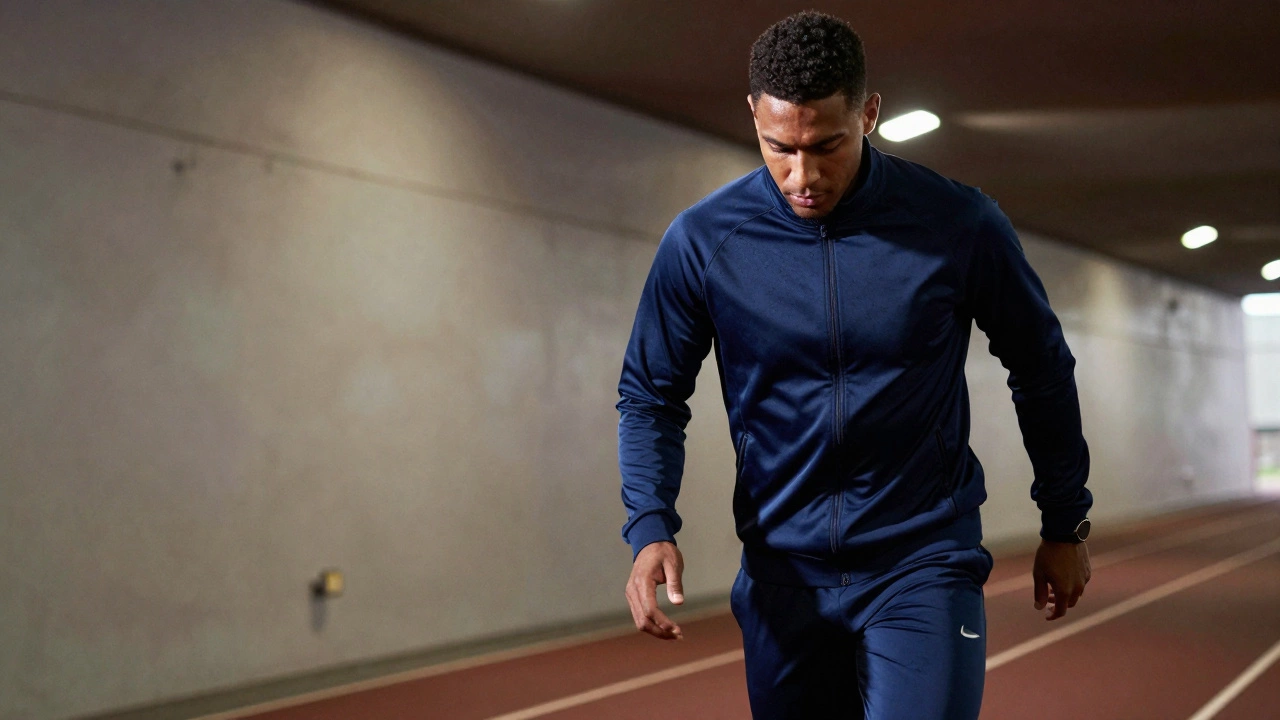
To get this right, we have to go back. Sweatpants is a category of casual clothing designed for warmth and comfort, typically made from thick, absorbent fabric like cotton terry or fleece. They didn't just appear for lounging; they were created for athletes to keep their muscles warm during warm-ups and cool-downs. If you've ever seen a professional sprinter wearing a full tracksuit before a race, you're seeing the original purpose of these clothes.
In the mid-20th century, these were strictly utility items. You wore them because you were sweating, and the fabric was designed to absorb that moisture. However, the 1980s and 90s changed everything. Hip-hop culture and the rise of street fashion took the 'athlete look' and turned it into a status symbol. Suddenly, wearing a brand like Adidas or Nike outside the gym wasn't about sports-it was about style. This shift is what paved the way for the modern era of dressing.
The Great Divide: Activewear vs. Athleisure
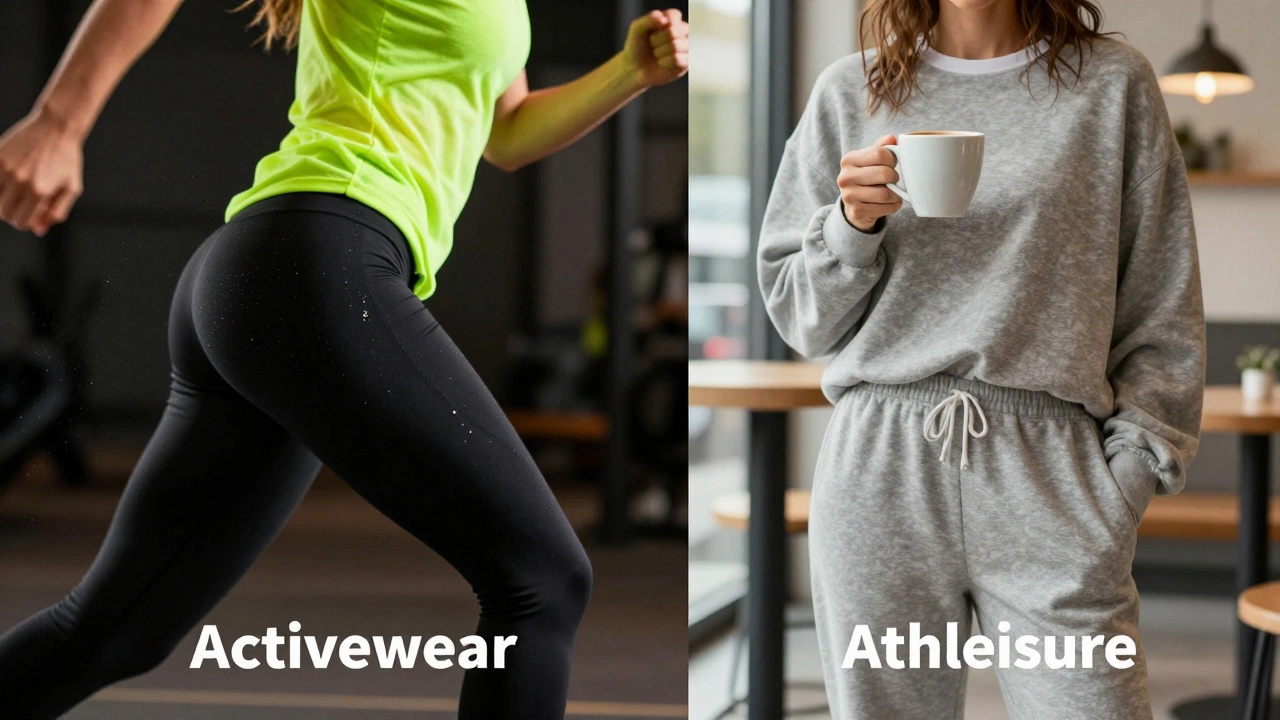
This is where things get confusing. We often use the words 'sportswear' and 'activewear' interchangeably, but in the fashion world, they serve different goals. Activewear is built for a specific activity. Think of a high-compression legging or a moisture-wicking shirt. These are engineered to handle sweat, reduce friction, and allow for a full range of motion. If you're doing a high-intensity interval training (HIIT) session, you want activewear.
Then we have Athleisure. This is a hybrid style that takes athletic elements and mixes them with leisure wear. This is where most modern sweatpants live. They look like they belong in a gym, but they are designed for a trip to the grocery store or a long flight. The goal isn't performance; it's a 'sporty aesthetic' combined with extreme comfort.
| Feature | Performance Sportswear | Athleisure/Sweatpants |
|---|---|---|
| Primary Material | Polyester/Spandex blends | Cotton/Fleece/Terry |
| Moisture Management | Wicks sweat away from skin | Absorbs sweat (stays damp) |
| Fit | Compression or tapered | Relaxed or oversized |
| Ideal Use Case | Running, Gym, Yoga | Travel, Working from home, Errands |
When Should You Actually Call Them Sportswear?
If you are trying to decide if your outfit fits a 'sportswear' dress code or requirement, you have to look at the fabric. If your sweatpants are made of a heavy, brushed cotton fleece, they are essentially pajamas that you can wear in public. They aren't great for actual sports because once they get wet with sweat, they become heavy, saggy, and cold. That's not 'performance'-that's a liability.
On the other hand, modern Tech Fleece or nylon-blend joggers are definitely sportswear. They use synthetic fibers that regulate temperature and repel water. If you can wear them during a light jog in a drizzle without feeling like you're wearing a wet towel, they qualify as sportswear. The design-usually featuring a tapered ankle and a drawstring waist-is specifically meant to prevent the fabric from flapping around while you move.
The Cultural Shift: Why the Label No Longer Matters
Let's be honest: we've reached a point where the technical definition of 'sportswear' is almost irrelevant in daily life. The 'Zoom effect' of the early 2020s normalized the 'business on top, sweatpants on bottom' look. This broke the last remaining social barrier against wearing athletic gear in professional or semi-professional settings.
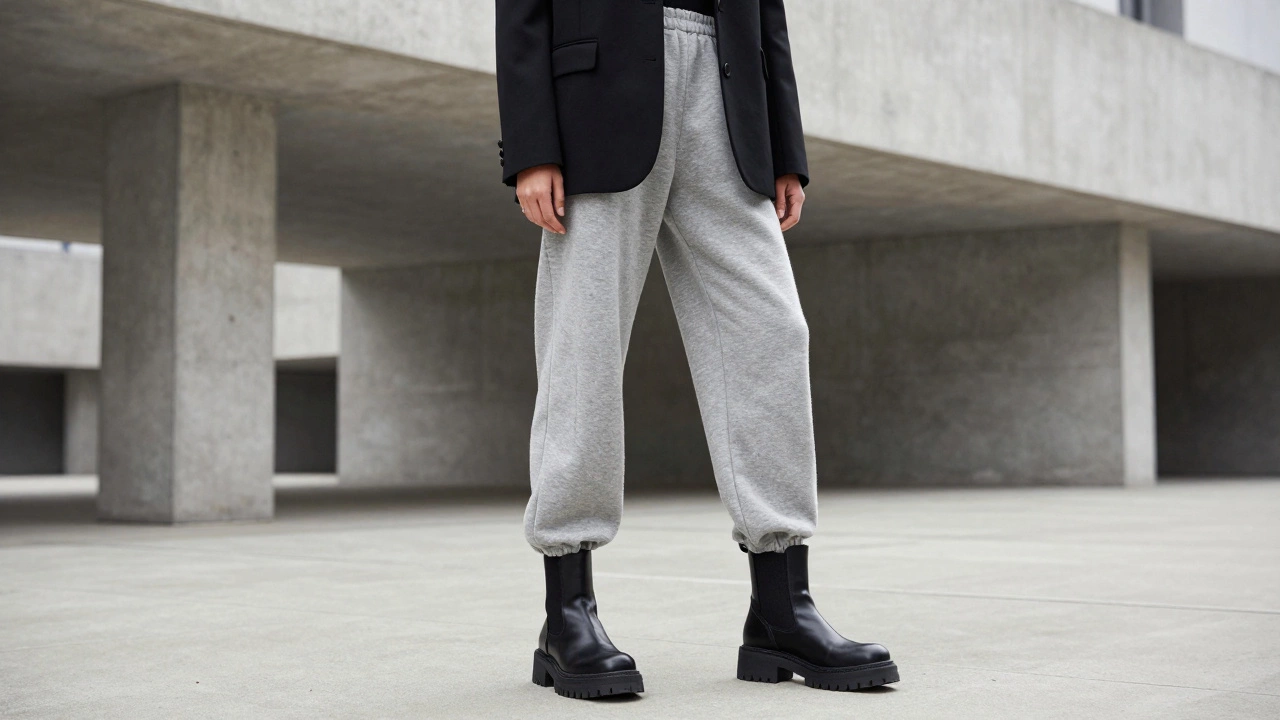
Now, we see a trend called 'high-low styling.' This is when someone pairs a pair of oversized grey sweatpants with a structured blazer or a luxury handbag. In this context, the sweatpants aren't acting as sportswear at all-they are acting as a neutral base for a fashion statement. When a luxury brand like Balenciaga sells a pair of sweatpants for $800, they aren't selling you a tool for athletics; they are selling you a piece of a cultural identity.
Practical Tips for Styling Sweatpants
Just because they are technically sportswear doesn't mean you have to look like you just woke up from a nap. The key is balance. If your pants are baggy and soft, your top should have some structure. A crisp white t-shirt tucked in or a cropped jacket can make the outfit look intentional rather than lazy.
Footwear also changes the category of the outfit. Pairing sweatpants with Running Shoes keeps the look firmly in the 'sportswear' camp. Swapping them for a clean leather sneaker or a chunky boot moves the look into 'streetwear.' If you're wearing them to a place that asks for 'smart casual,' you're playing a dangerous game-unless the sweatpants are a very dark color and a slim, tailored fit.
Common Pitfalls to Avoid
The biggest mistake people make is wearing 'lifestyle' sweatpants during actual intense workouts. Cotton is the enemy of performance. It holds onto water, which leads to chafing and chills. If you're hitting the gym, stick to synthetic blends. Save the fleece for the commute home.
Another mistake is ignoring the 'pilling' factor. Because sweatpants are often made of cotton blends, they tend to develop small balls of fabric (pills) in high-friction areas like the thighs. Once this happens, they stop looking like sportswear and start looking like old pajamas. Using a fabric shaver can keep them looking sharp enough to pass as a deliberate fashion choice.
Can I wear sweatpants to a casual office?
It depends on the 'vibe' of your office. If it's a creative or tech-focused environment, a slim-fit pair of joggers in a neutral color (black, navy, or charcoal) can work. Avoid oversized, light-grey fleece pairs, as those look too much like sleepwear. Pair them with a polo or a button-down to balance the casualness.
What is the difference between joggers and sweatpants?
While used interchangeably, joggers usually have a tapered leg and an elasticized cuff at the ankle, making them look more like athletic gear. Sweatpants are often more relaxed and can have open bottoms. Joggers are generally more 'sportswear,' while sweatpants lean more toward 'loungewear.'
Are sweatpants appropriate for hiking?
Only if they are technical sportswear. Cotton sweatpants are a bad choice for hiking because if they get wet from rain or sweat, they stay wet and can lead to hypothermia in cold weather. Look for moisture-wicking synthetic fabrics instead.
Do sweatpants count as activewear?
Technically, yes. However, they fall into the 'low-intensity' category. They are great for walking or warming up, but for high-intensity exercise, specialized activewear like compression leggings or running shorts is more effective.
How should sweatpants fit if I want them to look like fashion?
Go for a tapered fit. The pants should be slightly loose around the thighs but narrow down toward the ankle. This creates a silhouette that looks intentional. If they are too baggy at the bottom, they lose the 'sporty' edge and just look like oversized pajamas.