Are Ripped Jeans Outdated in 2026? The Truth About Distressed Denim
2026 Ripped Jeans Trend Checker
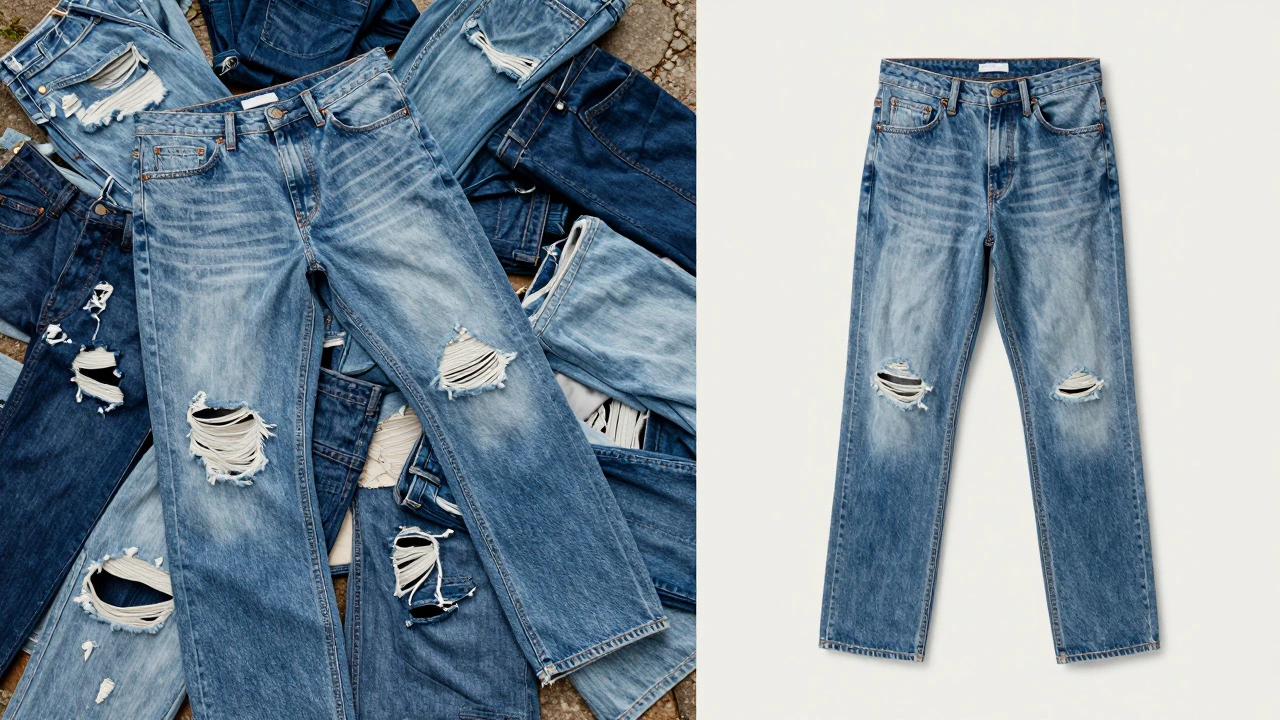
Remember the early 2010s? If you did, you probably remember walking down the street and seeing everyone wearing jeans that looked like they had survived a war zone. From thigh-high slits to holes at the knees that defied gravity, distressed denim was everywhere. Fast forward to mid-2026, and the landscape has shifted dramatically. You might be looking at your closet, staring at those trusty pair of ripped Levi’s, and wondering: are they still cool, or have they officially become a fashion crime?
The short answer is no, ripped jeans are not dead. But the way we wear them has changed completely. The era of the "maximalist" rip is over. Today, it’s all about subtlety, intentionality, and fit. If you’re holding onto a pair from 2014 with holes big enough to stick your fist through, you might need to rethink how you style them-or perhaps let them go. Let’s break down exactly where distressed denim stands in 2026 and how to keep it looking fresh.
The Shift from Chaos to Control
To understand why your old ripped jeans feel outdated, you have to look at what replaced them. For years, the trend was defined by chaos. More rips were better. The more fabric missing, the cooler you were. This was driven by fast-fashion brands pumping out pre-distressed pairs for under $30. It was disposable fashion at its peak.
In 2025 and moving into 2026, the pendulum swung hard toward sustainability and quality. Consumers got tired of buying jeans that fell apart after three washes. We started caring about the story behind the clothes again. This shift killed the mass-produced, heavily shredded jean. However, it didn’t kill the aesthetic entirely; it refined it.
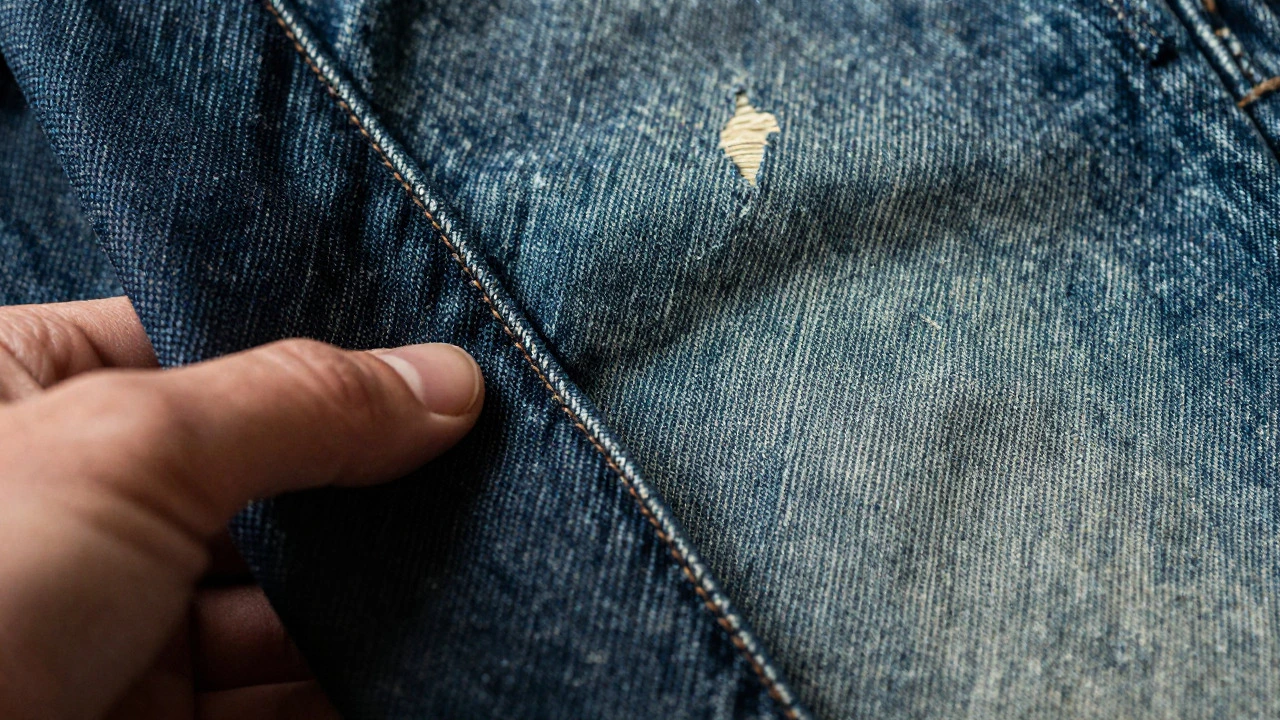
Today’s vintage denim refers to authentic, aged jeans that show natural wear patterns rather than artificial distressing is prized for its authenticity. A hole that formed naturally because you sat on a rough surface for ten years looks different than one cut by a laser in a factory. The current vibe is "lived-in," not "destroyed." Think frayed edges, slight fading, and small, strategic snags rather than gaping wounds in the fabric.
What Actually Works in 2026
If you want to wear ripped jeans this year without looking like you raided a thrift store bin from 2012, you need to focus on three key elements: placement, size, and proportion.
- Placement Matters: The knee-hole is still the most accepted spot, but it needs to be smaller. Think thumbnail-sized, not dinner-plate-sized. Holes near the ankle or subtle whiskering around the thighs are also very trendy. Avoid rips on the back pockets or massive slits up the thigh-those are firmly in the past.
- Fabric Integrity: The rest of the jean should look sturdy. If the entire leg is falling apart, toss it. The best distressed jeans in 2026 have a clean structure with just one or two points of interest. The contrast between the intact denim and the small rip creates visual interest without looking sloppy.
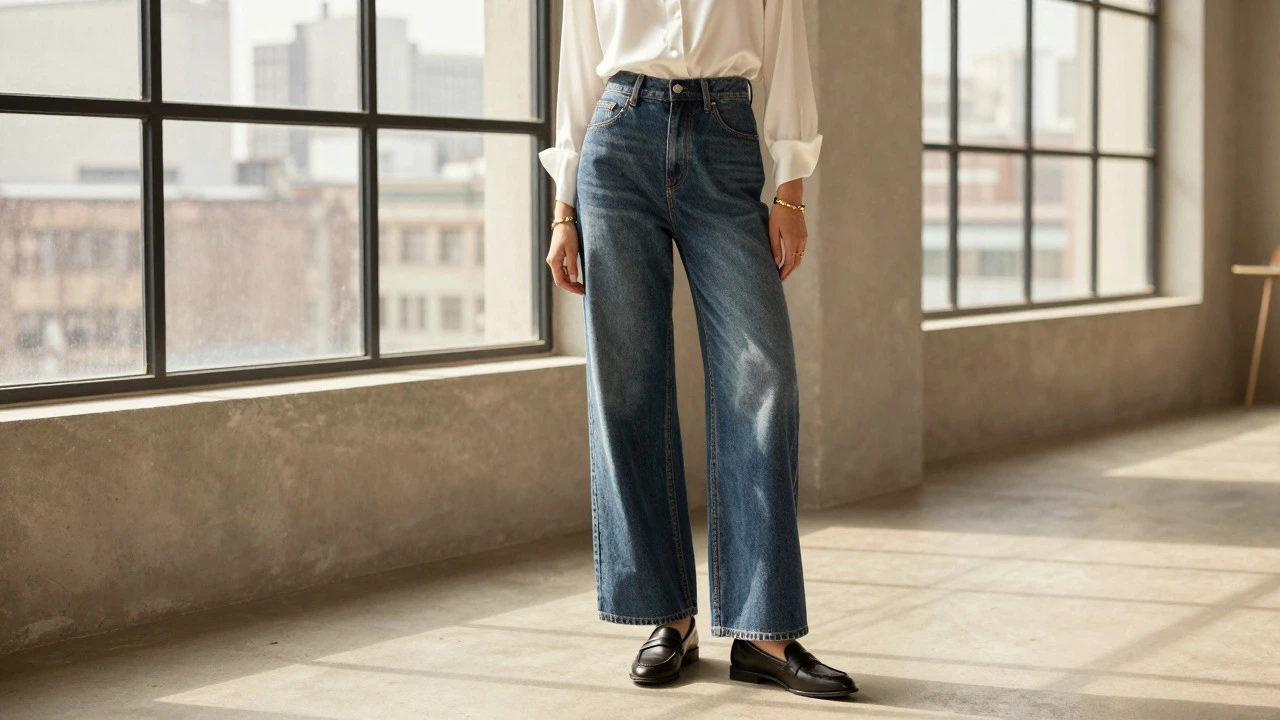
- The Fit is King: Skinny jeans with huge rips are largely out. The silhouette has moved toward straight-leg, wide-leg, and relaxed fits. A wide-leg jean with a tiny, subtle fray at the hem looks chic and modern. A skinny jean with massive holes looks dated and uncomfortable.
For example, take a classic Levi's 501 a button-fly straight-leg jean that has been a staple since 1890. In 2026, a lightly worn pair of 501s with some natural fading and a small snag at the knee looks timeless. Pair that with a crisp white shirt and loafers, and you’ve nailed the current aesthetic. Now compare that to a pair of super-skinny, acid-washed jeans with mesh panels and giant tears. That outfit screams "costume" right now.
Styling Tips to Keep It Fresh
You don’t have to throw away your old ripped jeans if they’re in good condition. Sometimes, it’s just about how you style them. The goal in 2026 is balance. Since the jeans are already casual and edgy, you need to elevate the rest of your outfit to create harmony.
- Elevate the Top: Pair your distressed denim with structured blazers, silk camisoles, or tailored shirts. This juxtaposition tells people you meant to look casual-chic, not like you just rolled out of bed. A sharp blazer over a ripped jean instantly makes the look intentional.
- Footwear Choice: Avoid chunky combat boots if you’re going for a sleek look. Instead, try minimalist sneakers, pointed-toe flats, or even heels. The cleaner the shoe, the more sophisticated the ripped jeans appear. In Vancouver, where I live, we often see locals pairing light-wash, slightly frayed jeans with clean white leather sneakers for a perfect weekend look.
- Accessories: Add gold jewelry or a structured bag. These polished accessories counterbalance the ruggedness of the denim. It shows effort and taste.
Think of it like seasoning food. The ripped jeans are the salt-you only need a little bit to enhance the flavor. If you add too much, the dish becomes inedible. Same with fashion. One focal point is enough.
The Rise of Raw Denim and Minimalism
While distressed denim isn’t dead, its biggest competitor in 2026 is raw denim. Raw denim, which is unwashed and untreated, has seen a massive resurgence. People are buying dark, stiff jeans and letting them fade naturally over time. This movement is driven by a desire for uniqueness. No two pairs of raw denim will fade the same way.
| Feature | Distressed Denim (Ripped) | Raw Denim |
|---|---|---|
| Trend Status | Niche, requires careful styling | Mainstream, highly popular |
| Maintenance | Low (already worn in) | High (requires washing rules) |
| Versatility | Casual to smart-casual | Formal to casual |
| Sustainability | Mixed (depends on origin) | High (long-lasting, durable) |
| Price Point | $30 - $150 | $100 - $300+ |
This table highlights why many people are shifting away from pre-ripped options. Raw denim offers a blank canvas. You decide when and where it breaks in. There’s a satisfaction in owning something that ages with you. For those who love the look of wear but hate the messiness of pre-ripped jeans, raw denim is the ultimate alternative. It gives you the character of vintage denim without the unpredictability of factory-made holes.
When to Retire Your Old Pairs
Not every pair of ripped jeans can be saved. Here’s a quick checklist to help you decide whether to keep or discard:
- Check the Elasticity: If the fabric has lost its stretch and feels brittle, it’s time to go. Brittle denim will tear further during normal wear, creating an unkempt look.
- Assess the Hole Size: If the hole is larger than your palm, it’s likely too aggressive for 2026 standards. Small repairs or patches can sometimes save these, but it’s often easier to start fresh.
- Look at the Wash: Acid washes and extreme bleaching are very 2010. If your jeans have a neon-blue or stark white bleach pattern, they’ll be hard to style with today’s neutral, earth-toned palettes.
- Fit Check: If they’re super-skinny and uncomfortable, they’re probably done. Comfort is a priority in modern fashion. If you’re constantly pulling them down or adjusting them, they’re working against you.
If your jeans fail these checks, consider donating them. Thrift stores are always looking for denim, even older styles. Or, get creative! Turn them into shorts, patch them with colorful fabric, or use them for gardening. Don’t let guilt keep bad fashion choices in your closet.
The Future of Denim
Looking ahead, denim is becoming smarter and greener. Brands are experimenting with organic cotton, recycled materials, and waterless dyeing techniques. The conversation around jeans is no longer just about aesthetics; it’s about impact. When you buy a new pair of jeans in 2026, you’re likely considering where it was made, who made it, and how long it will last.
This mindset change is why the "fast fashion" ripped jean is fading. We’re moving toward fewer, better things. A single pair of high-quality, well-fitting jeans-whether raw, lightly distressed, or classic solid-is worth more than five pairs of trendy, fragile ones. So, are ripped jeans outdated? Only the lazy, mass-produced kind. The thoughtful, authentic, and subtly worn pair is here to stay, evolving alongside our values.
Can I fix my overly ripped jeans?
Yes, absolutely. Sashiko stitching, colorful patches, or embroidery are great ways to repair large holes while adding a unique, artistic touch. This approach aligns perfectly with the 2026 trend of valuing individuality and sustainability. Turning a flaw into a feature is a stylish move.
Are skinny jeans with rips coming back?
Not really. While skinny jeans aren't extinct, the dominant silhouettes in 2026 are straight, wide, and relaxed fits. Ripped skinny jeans tend to look dated because they are associated with the early 2010s maximalist trend. If you love skinny jeans, opt for a clean, unripped version instead.
What is the difference between vintage and distressed jeans?
Vintage jeans have aged naturally over time, showing wear patterns specific to how the owner lived. Distressed jeans are artificially damaged in a factory using lasers, sandpaper, or chemicals. In 2026, vintage is preferred for its authenticity, while heavy artificial distressing is seen as cheap and outdated.
How do I style ripped jeans for work?
If your workplace allows smart-casual attire, choose jeans with minimal, subtle fraying rather than large holes. Pair them with a tailored blazer, a silk blouse or button-down shirt, and closed-toe shoes like loafers or ankle boots. Keep the top half polished to balance the casual bottom half.
Is raw denim worth the investment?
For many people, yes. Raw denim is more durable and develops a unique patina over time, making each pair one-of-a-kind. It’s an investment in longevity and personal style. However, it requires care, such as waiting several months before the first wash, to achieve the desired fade.